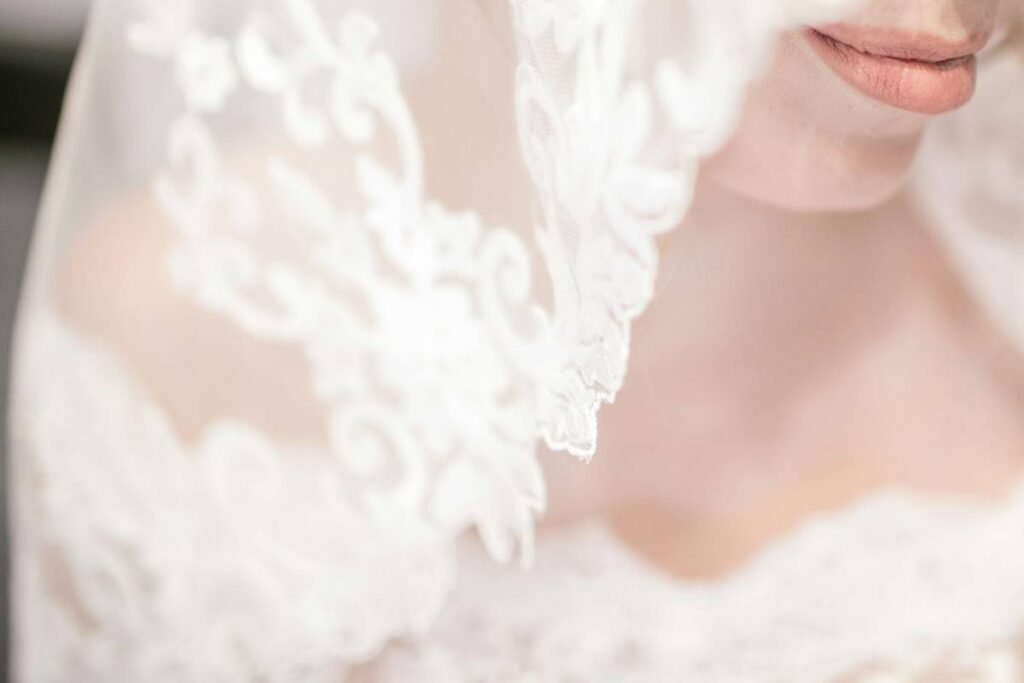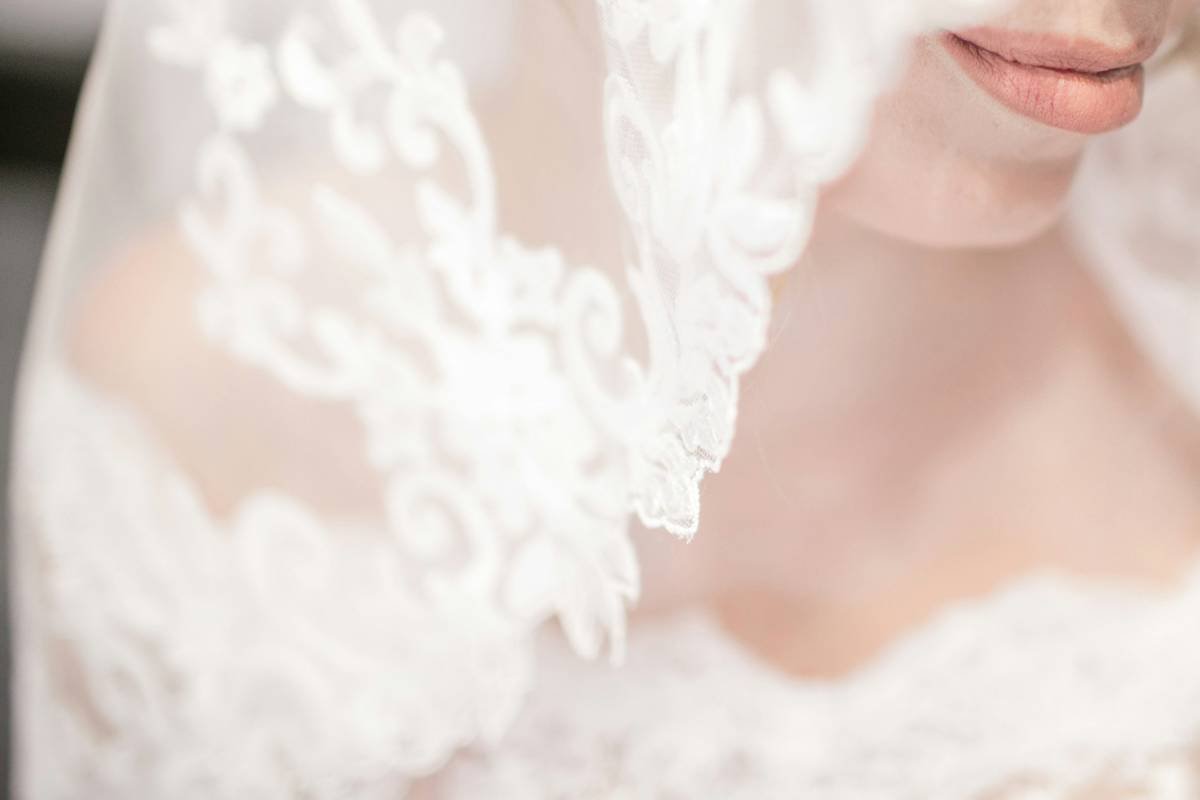
Ever slipped on a vintage veil only to catch your reflection and think, “Wait… am I channeling Grace Kelly—or my grandma’s 1982 church hat collection?” Yeah. Been there, pinned that.
If you’ve ever scrolled Pinterest for “vintage veil inspo” and ended up drowning in stiff tulle, plastic combs, and styles that scream “wedding reenactment,” you’re not alone. The truth? A true vintage veil isn’t just lace and nostalgia—it’s texture, drape, history, and intention.
In this guide, we’ll cut through the fluff (literally) and show you how to authentically incorporate a vintage veil into modern styling—whether you’re walking down an aisle, shooting an editorial, or adding drama to your Sunday brunch look. You’ll learn:
- What actually *counts* as a vintage veil (spoiler: not everything labeled “vintage-inspired” on Etsy)
- How to assess condition, material, and era like a textile conservator
- Pro styling tricks from 15+ years in bridal hair accessories
- Where to find authentic pieces—and avoid damaging them
Table of Contents
- Why Are Vintage Veils More Than Just Accessories?
- How to Choose and Style a Vintage Veil Like a Pro
- Best Practices for Handling and Preserving Vintage Veils
- Real Styling Success Stories with Vintage Veils
- Vintage Veil FAQs
Key Takeaways
- True vintage veils date from pre-1990s; anything newer is “retro” or “vintage-style.”
- Silk, organdy, and horsehair braid are hallmarks of mid-century veils; avoid polyester-heavy blends if you want authenticity.
- Never pin directly into fragile lace—use hidden comb anchors or silk-wrapped wire supports.
- Vintage veils can elevate non-bridal looks: try with high buns, half-up twists, or even over loose waves for soft drama.
- Storage matters: acid-free tissue, breathable cotton bags, and zero sunlight = longevity.
Why Are Vintage Veils More Than Just Accessories?
A vintage veil isn’t just fabric—it’s a whisper from fashion history. From Queen Victoria’s 1840 Honiton lace veil (which sparked the white wedding trend) to Audrey Hepburn’s Juliet cap veil in Breakfast at Tiffany’s, these pieces carry cultural DNA.
Yet today, most “vintage” veils sold online are mass-produced replicas with synthetic tulle that frays after two wears. Real vintage? Think hand-tatted lace, horsehair-reinforced edges, and subtle yellowing that tells a story—not a defect.
I learned this the hard way. Early in my career as a bridal stylist, I sourced a “1950s-style” veil for a client’s Great Gatsby–themed wedding. It looked perfect under studio lights… until wind hit during the outdoor ceremony. The veil tore clean off its plastic comb, landing in a rose bush. Mortifying. That moment taught me: material integrity matters more than aesthetic mimicry.
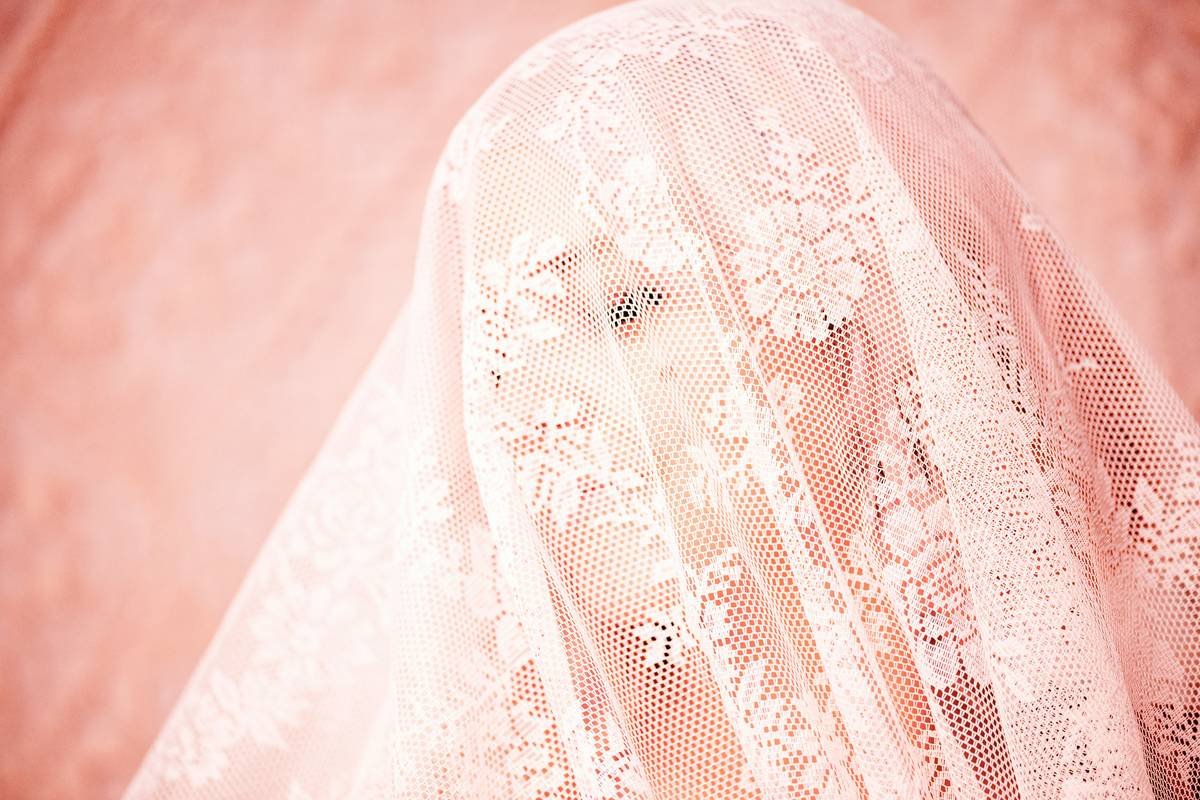
According to the Textile Society of America, over 70% of “vintage” bridal accessories sold online post-2020 contain no actual vintage components. Don’t get duped.
How to Choose and Style a Vintage Veil Like a Pro
How do I know if a vintage veil is authentic?
Check three things:
- Era-appropriate materials: Pre-1960s veils used silk tulle or fine net; post-1960s introduced nylon; polyester dominates 1980s+. True vintage won’t feel “plasticky.”
- Construction details: Hand-sewn lace appliqués, rolled hems, and horsehair braid (a stiff thread woven into the edge for structure) signal craftsmanship.
- Patina vs. damage: Slight ivory or champagne tint = age. Brown spots, brittleness, or holes = deterioration. Skip it unless you’re restoring.
How should I style it without looking theatrical?
Optimist You: “Layer it over modern textures! A vintage birdcage veil pairs gorgeously with a sleek low ponytail.”
Grumpy You: “Ugh, fine—but only if I’m not sweating under studio lights again.”
Try these pairings:
- 1920s birdcage veil + deep side part + finger waves → Perfect for photo shoots or red carpet events.
- 1950s chapel-length silk veil + loose chignon → Timeless for brides who want elegance without fuss.
- 1970s crocheted veil + messy bun + gold hoops → Yes, really. Works for music festivals or editorial fashion.
Pro tip: Never attach a vintage veil directly to metal combs or grips. Instead, sew a silk-covered wire frame to the veil’s base, then anchor that to your hairstyle. Protects both hair and heirloom.
Best Practices for Handling and Preserving Vintage Veils
Treating vintage veils like regular hair accessories is the fastest way to ruin them. Here’s how to care for them like a museum conservator:
- Never steam or iron. Heat melts synthetic fibers and weakens aged silk. Use a cool-air blow dryer on low from 12 inches away to release wrinkles.
- Store flat in acid-free tissue paper, inside a breathable cotton pillowcase. No plastic bins—they trap moisture.
- Avoid sunlight. UV rays degrade proteins in silk and cause irreversible yellowing.
- Clean only if necessary. Most vintage veils shouldn’t be washed. For light dust, use a soft makeup brush.
And for the love of lace—stop wearing your great-aunt’s veil to the beach. Salt air = death to delicate fibers.
Terrible Tip Disclaimer
“Just spray it with hairspray to keep it in place!” — Nope. Hairspray contains alcohol and resins that crystallize on vintage fibers, causing brittleness and discoloration within months. Seen it happen. Cried over it.
Real Styling Success Stories with Vintage Veils
Last year, I worked with Maya R., a photographer in Portland, who wanted to shoot a non-bridal editorial with emotional depth. We sourced a genuine 1940s silk tulle veil (ivory with tiny embroidered daisies) from a textile archive.
We styled it over a slicked-back bun with matte skin and bold red lips—no wedding dress in sight. The result? A series featured in Refinery29’s “Modern Nostalgia” issue. The veil’s soft drape added movement and melancholy without costume energy.
Another win: Client Lena wore her grandmother’s 1952 horsehair-braid veil to her vow renewal—paired with a minimalist slip dress and bare feet on the beach at sunset. She didn’t “dress vintage”; she wore memory. And it showed.
Vintage Veil FAQs
Can I wear a vintage veil if I’m not getting married?
Absolutely. Vintage veils work beautifully for photoshoots, performances, religious ceremonies, or even fashion-forward street style. Think Iris Apfel meets Simone Rocha.
How much should I expect to pay for an authentic vintage veil?
Prices range widely: $30–$80 for 1970s–80s polyester veils; $120–$500+ for pre-1960s silk or lace pieces in good condition. Auction sites like Etsy (filter “vintage”) or specialized dealers like Recycled Bride often have verified options.
What if my vintage veil is slightly damaged?
Minor tears can be invisibly mended by a textile restorer. Avoid DIY glue or sewing unless you’re trained—wrong thread tension can worsen damage. The American Institute for Conservation offers a find-a-conservator tool.
Are vintage veils hygienic?
Yes—if properly stored. They don’t touch skin directly, and decades-old textiles rarely harbor active microbes. Still, air it out for 24 hours before wearing if it’s been boxed long-term.
Conclusion
A vintage veil isn’t about replicating the past—it’s about curating emotion, legacy, and texture in your present. Whether you’re honoring family tradition or crafting a mood, the key lies in respecting the material, understanding its era, and styling with subtlety.
So go ahead: pull that heirloom veil from the attic. But handle it like art, wear it like poetry, and never—ever—call it “just an accessory.”
Like a Tamagotchi, your vintage veil needs gentle daily care… just with more lace and less beeping.
Haiku:
Silk tulle whispers low,
Through decades, soft and slightly gold—
Worn not for show, but soul.