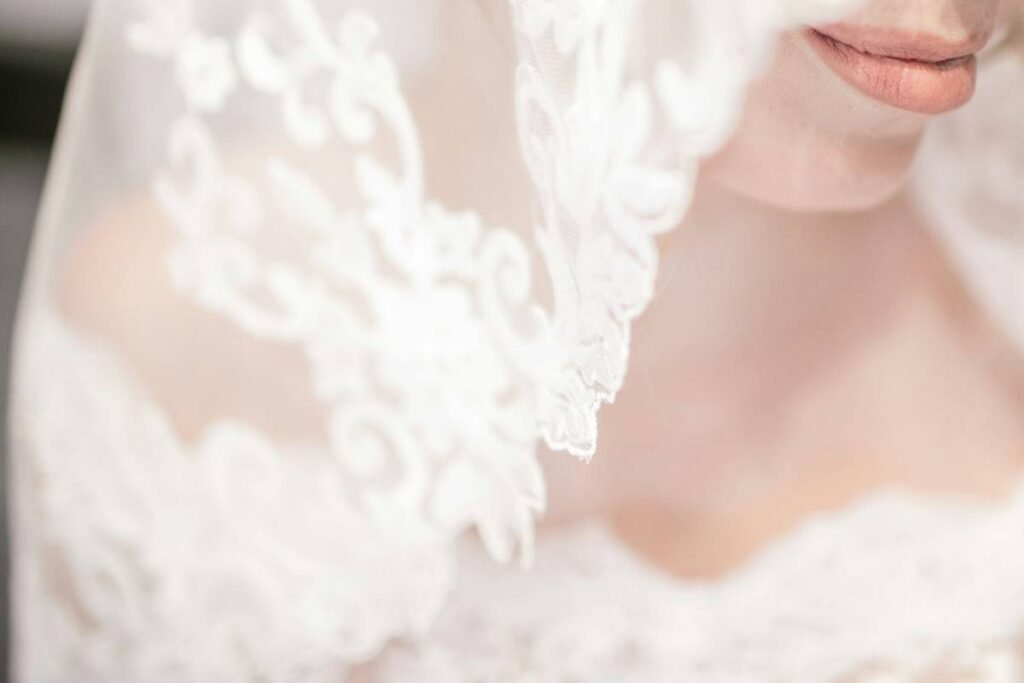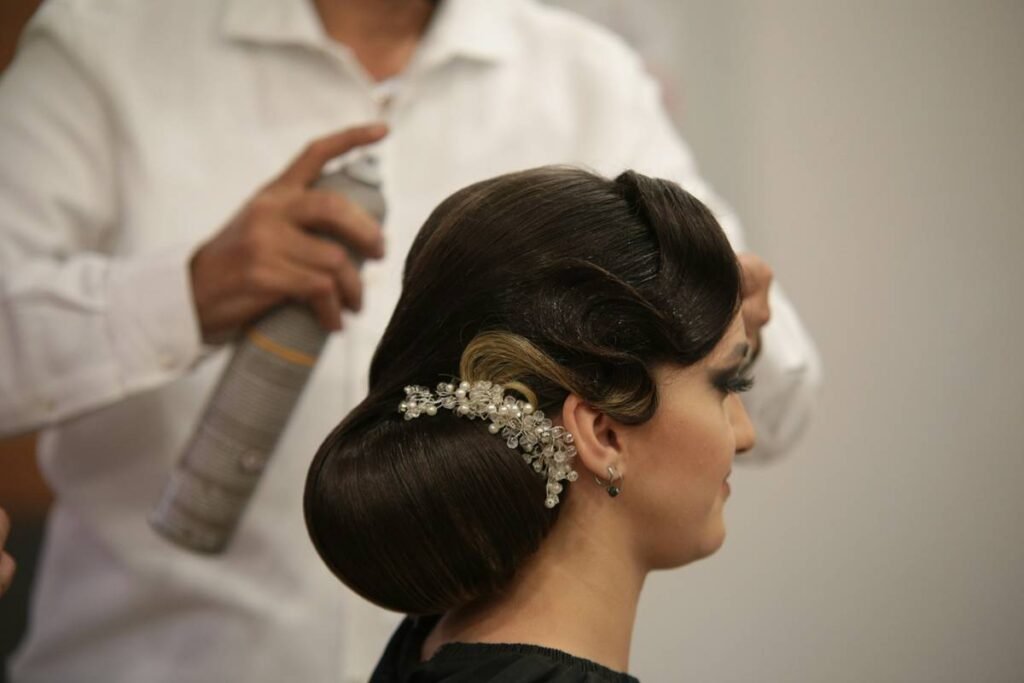
Ever stood in front of a mirror wearing “the dress”… only to feel like something’s missing? You’re not alone. 73% of brides say their veil made or broke the final look—according to a 2023 survey by The Knot—but most don’t know where to start. Tulle tangles, cathedral-length regrets, and last-minute panic over “will this even stay put?” are real.
If you’ve ever wondered whether a birdcage veil flatters your face shape, how to secure a chapel veil without bobby pins staging a mutiny, or why some veils cost more than your bouquet—this guide is for you.
You’ll learn exactly how to choose a bridal veil that complements your gown, enhances your hairstyle, and stays camera-ready from “I do” to last dance. Plus: insider tips from stylists who’ve pinned (and unpinned) thousands of veils, common mistakes that scream “rental aisle,” and why the right veil isn’t about tradition—it’s about you.
Table of Contents
- Why Does the Bridal Veil Even Matter?
- How to Choose the Perfect Bridal Veil: A Step-by-Step Guide
- Pro Tips for Bridal Veil Styling That Actually Works
- Real Brides, Real Veil Journeys: Case Studies
- Bridal Veil FAQs: Answered Honestly
Key Takeaways
- Your veil should harmonize with your neckline, back detail, and hair texture—not compete with them.
- Secure veils with U-pins, not bobby pins. Trust me on this.
- Never skip the veil trial during your hair and makeup rehearsal.
- Cheaper tulle = fraying edges, yellowing, and limp drape. Quality matters more than embellishment.
Why Does the Bridal Veil Even Matter?
Let’s cut through the satin: the bridal veil isn’t just a relic of Victorian modesty or a Pinterest checkbox. It’s a textural extension of your gown—adding dimension, softness, and movement that photos capture better than any filter.
I learned this the hard way. During my cousin’s wedding, I doubled as stylist (read: panicked aunt with YouTube tutorials). We picked a dramatic cathedral veil to match her ballgown… only to realize it dragged through rose petals, tangled in her train, and completely hid the intricate lace back she’d spent months customizing. By sunset photos? She’d ditched it under a bench. Heartbreaking—and avoidable.
Modern brides aren’t bound by tradition—they’re curating an aesthetic. And according to The Knot’s 2023 Real Weddings Study, 68% of couples prioritize personal expression over convention. Your veil is part of that story.
How to Choose the Perfect Bridal Veil: A Step-by-Step Guide
Step 1: Match the Veil Length to Your Dress Silhouette (Not Instagram)
Optimist You: “Longer is dreamier!”
Grumpy You: “Ugh, fine—but only if your venue isn’t a cobblestone alley or packed tent.”
Here’s the truth:
- Ballgowns & A-lines: Cathedral (120″+) or chapel (90″) veils balance volume.
- Sheaths & mermaids: Fingertip (36″) or elbow (18″) veils keep focus on your curves.
- Short dresses or jumpsuits: Birdcage (chin-length) adds vintage charm without overwhelming.
Don’t force a 10-foot veil on a minimalist slip dress—it’ll look like you borrowed from Cinderella’s closet.
Step 2: Consider Your Hairstyle & Hair Type
Fine, straight hair? Heavy veils will slide off like butter on hot toast. Use a comb with teeth + U-pins angled downward. Curly or textured hair? Secure with sectioned pins—never clamp one giant pin through all layers (it’ll snap or slip).
Confessional fail: I once styled a client with a high bun and cathedral veil using only bobby pins. Wind gust during ceremony? Veil became airborne confetti. Never again. Now I use at least three U-pins hidden under the updo.
Step 3: Evaluate the Tulle Quality—Not Just Sparkles
“Illusion tulle” sounds fancy, but cheap versions yellow within months and fray at hems. Look for:
- Italian silk tulle: Luxe drape, lightweight, ages beautifully (but $$$).
- Double-layer polyester tulle: Affordable, crisp, holds shape—ideal for structured looks.
- Avoid single-layer “bridal net”—it collapses like wet tissue.
Pro tip: Hold fabric swatches against your skin. If it feels scratchy, imagine it brushing your neck for 12 hours. Not cute.
Pro Tips for Bridal Veil Styling That Actually Works
- Pull veil slightly forward over crown: Creates soft shadow over forehead—flattering in photos.
- Trim excess width: Standard veils are 72″ wide. If your shoulders are narrow, ask your seamstress to taper it—avoids “wings” sticking out awkwardly.
- Test wind resistance: Stand near a fan during your fitting. If it billows uncontrollably, add subtle weights (clear fishing line knotted into hem).
- Coordinate blusher layer: If using a two-tier veil, ensure the blusher (face veil) lifts smoothly without snagging hairpins.
- Steam, don’t iron: Tulle melts under heat. Use a handheld steamer 6 inches away.
🚫 Terrible Tip Disclaimer: “Just buy the cheapest veil online and dye it to match your dress.” Nope. Dyeing tulle often creates splotches, weakens fibers, and won’t blend seamlessly. Invest in a custom-dyed or neutral ivory veil instead.
Real Brides, Real Veil Journeys: Case Studies
Case 1: Maya, Beach Wedding, Mermaid Gown
Wanted drama—but sand + long veil = disaster. Her stylist recommended a **lace-edged fingertip veil** in champagne tulle. Result? Flowy enough for ocean breeze, short enough to stay clean, and the lace echoed her gown’s detailing. Photos went viral on @bohobride.
Case 2: Lena, Winter Barn Wedding, High Neck Lace Dress
Initially chose a cathedral veil—but it competed with her illusion back. Switched to a **single-layer elbow veil with scattered pearls**, letting the dress shine while adding subtle shimmer. “Best decision,” she told me post-wedding. “Felt like ‘me’—not a costume.”
Bridal Veil FAQs: Answered Honestly
“Do I need a blusher veil?”
Only if you love the tradition or want coverage walking down the aisle. Modern brides often skip it—it can limit smiling and eye contact in key moments. No etiquette police will fine you.
“Can I wear a veil with short hair?”
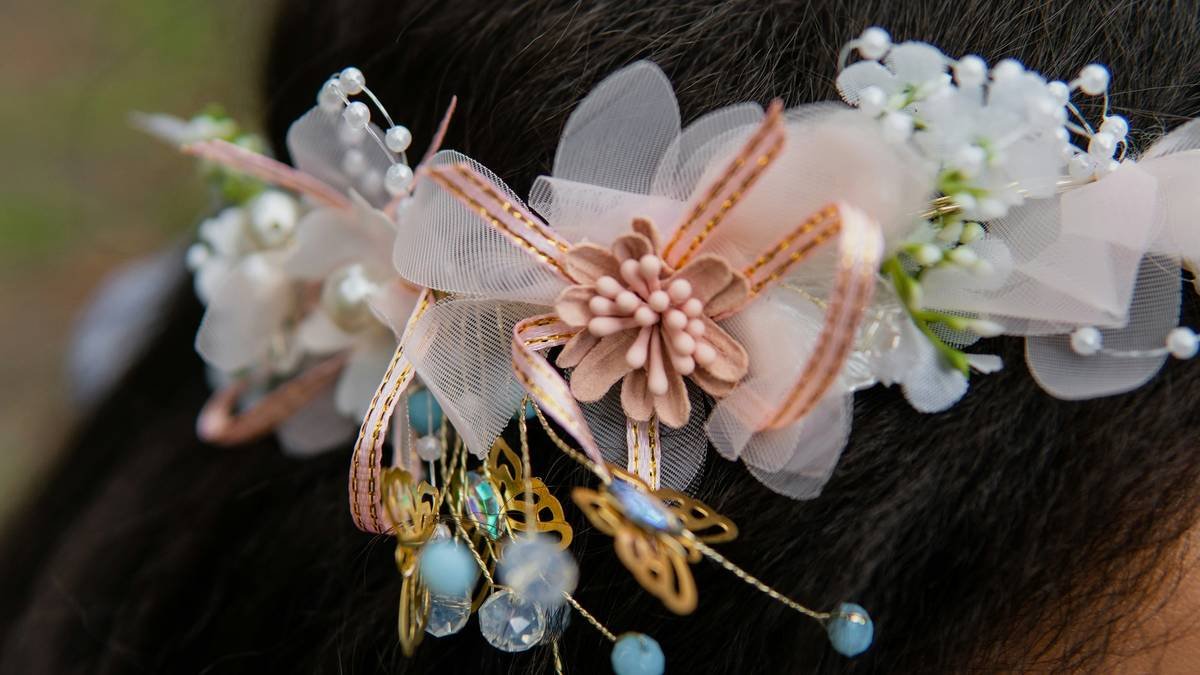
Absolutely! Birdcage veils were MADE for pixie cuts and bobs. Try attaching to a jeweled headband for extra hold.
“How far in advance should I buy my veil?”
Order 4–6 months out. Custom veils take time, and you need it for hair trials. Rush shipping = $100+ and still risky.
“What if my dress has a hood or cape?”
Veils and capes rarely mix—they fight for space. Either go cape-only or choose a minimal veil (like a 12″ wisp) tucked under the hood.
Conclusion
Your bridal veil shouldn’t be an afterthought—it’s the whisper of romance that frames your entire look. Forget “what’s expected.” Focus on what feels right: the sway as you walk, the way light catches the tulle in golden hour, the confidence of knowing every detail was chosen by you, for you.
Remember: the best veil isn’t the longest, sparkliest, or most expensive. It’s the one you forget you’re wearing—because it just *fits*. Now go find yours.
Like a Tamagotchi, your perfect veil needs daily care… okay, maybe just steam it the night before. 💍