You spent weeks choosing the perfect gown. Hours on hair trials. Yet something still feels… off. The veil slips, looks stiff, or vanishes under gallery lights. Here’s the truth: most formal veil accessory choices are guided by Pinterest trends—not physics, fabric science, or facial geometry. But there’s a better way.
The Hidden Flaw in 90% of Formal Veil Choices
Veils aren’t just “fabric + comb.” They’re dynamic elements that interact with movement, lighting, and neckline depth. And yet brides—and even stylists—treat them as afterthoughts.
A tulle cascade might photograph like a dream indoors but become a static-charged nightmare in dry ballrooms. Or worse—it competes with intricate beadwork instead of complementing it. The result? A look that feels cluttered, not curated.
And no, “more layers = more elegance” isn’t a rule. Often, it’s the opposite.
How to Choose & Style Your Formal Veil Accessory Like a Pro
Forget one-size-fits-all advice. Real styling starts with three non-negotiables: anchoring method, fabric weight, and silhouette alignment.
Match Veil Length to Your Ceremony Space
Cathedral veils need height and space. Cramped garden venues? A birdcage or elbow-length veil moves better—and won’t drag through rose petals.
Prioritize Anchor Security Over Ornamentation
That rhinestone comb looks stunning… until it slides out during vows. Use double-pin anchoring: one comb, two hidden bobby pins angled inward. Game-changer.
Let Your Neckline Dictate Density
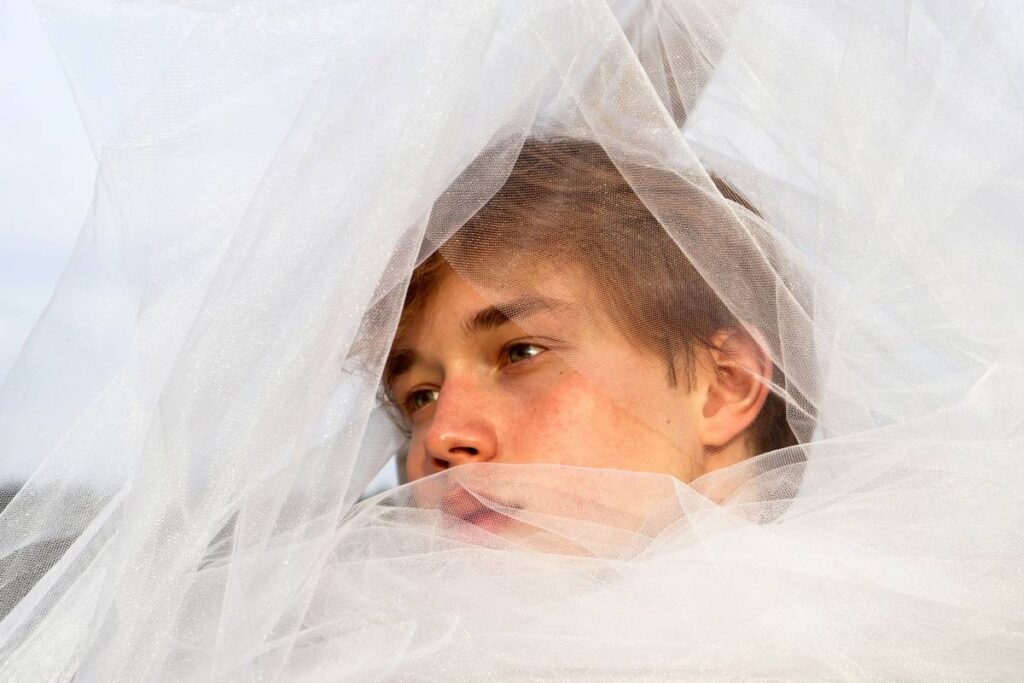
Halter or high-neck gowns demand sheer, lightweight veils—think single-layer silk illusion. Strapless or deep-V styles can carry medium-weight tulle without visual overload.
| Veil Type | Ideal For | Avoid If… | Styling Tip |
|---|---|---|---|
| Birdcage (15″) | Vintage themes, short hair, outdoor micro-weddings | Your gown has heavy beading near the face | Angle slightly forward—never straight down |
| Elbow-Length (30″) | Modern minimalism, courthouse ceremonies | You plan dramatic hair flips or wind-swept photos | Use matte-finish tulle to avoid glare |
| Cathedral (120″+) | Grand cathedrals, ballroom receptions | Walking down narrow aisles or stairs | Attach to an updo with reinforced comb + clear elastic band underneath |
The Industry Secret No One Talks About: “Negative Veiling”
Here’s what top bridal stylists whisper backstage: sometimes, the most powerful formal veil accessory is the one you *don’t* use.
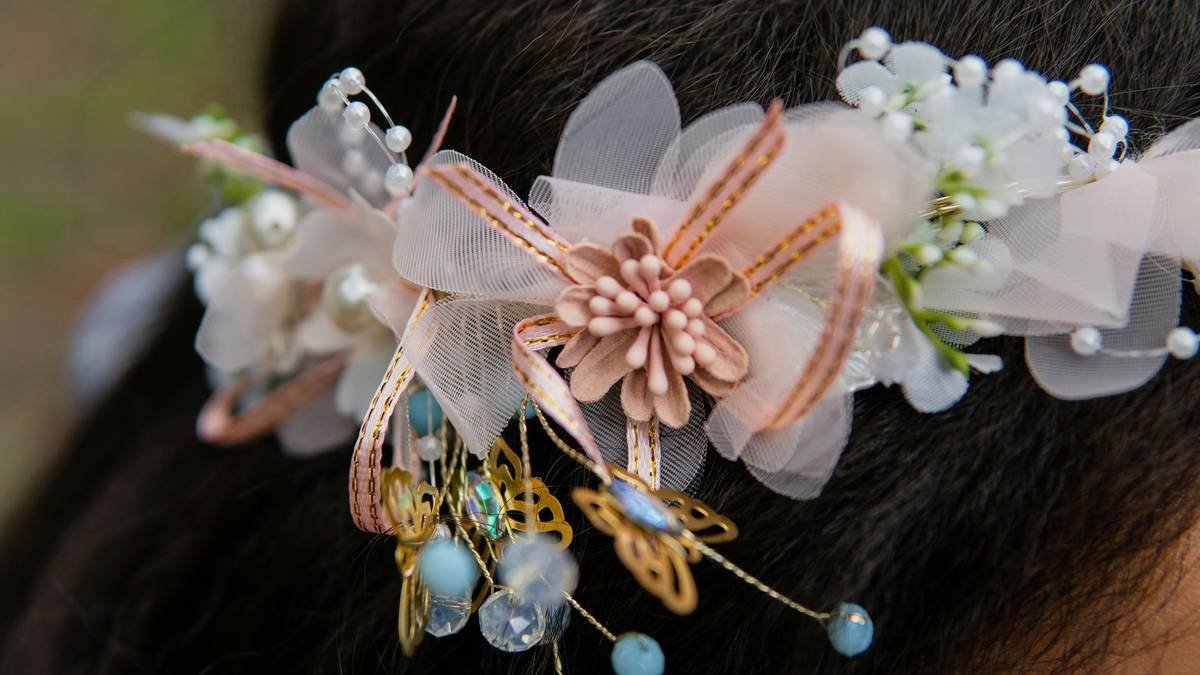
Negative veiling—the strategic absence of a veil—is gaining traction among minimalist couture brides. Instead, they opt for crystal hair vines or sculptural combs that echo the gown’s motif. Why? Because veils add volume upward; if your hairstyle already does that, layering creates visual noise.
The math is simple: elegance = focal point × restraint. Choose one hero element. Not three.
Frequently Asked Questions
Can I wear a formal veil accessory with short hair?
Absolutely. Use a petite birdcage or a single-layer blusher secured with U-pins. Short hair actually gives better anchor control than loose waves.
Should my veil match my dress shade exactly?
No—and this surprises many. Most “white” gowns lean ivory, champagne, or cool silver. Hold swatches against your bodice in natural light. A slight contrast often reads as richer on camera.
How do I keep my veil from flipping in wind?
Spray the inner edge with light-hold hairspray-dampened fingers, then press into place. For outdoor events, opt for weighted hem veils—they drape, not fly.