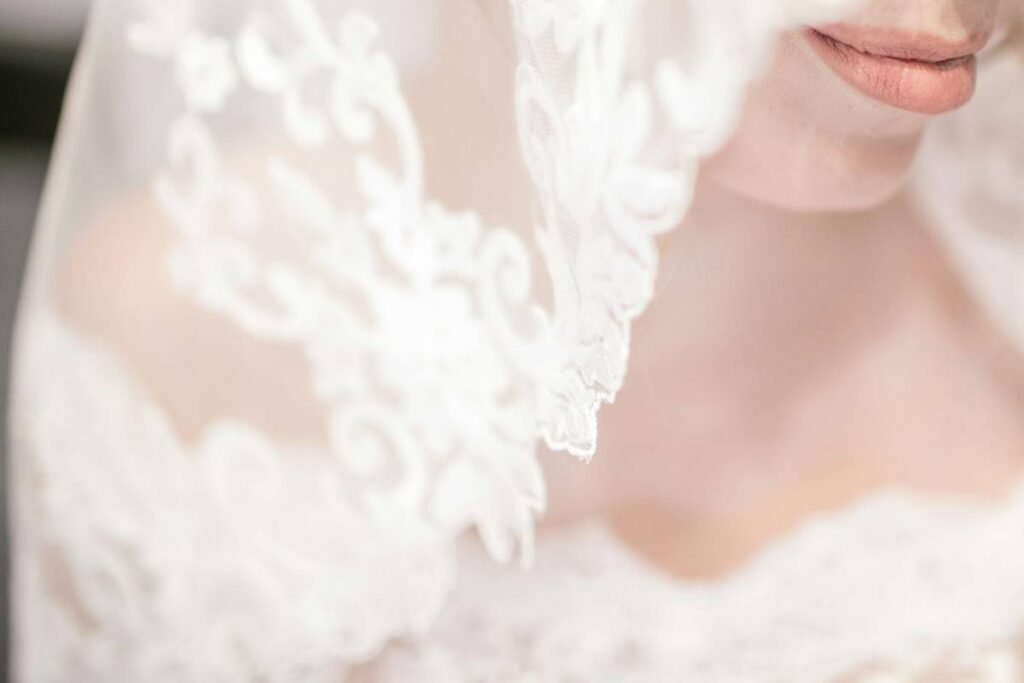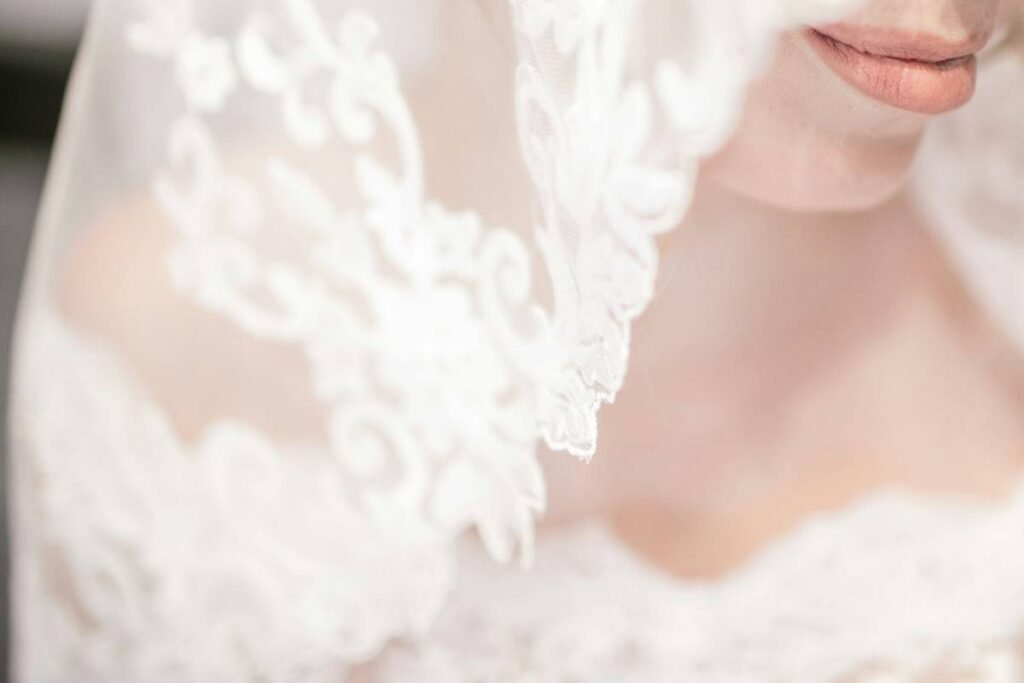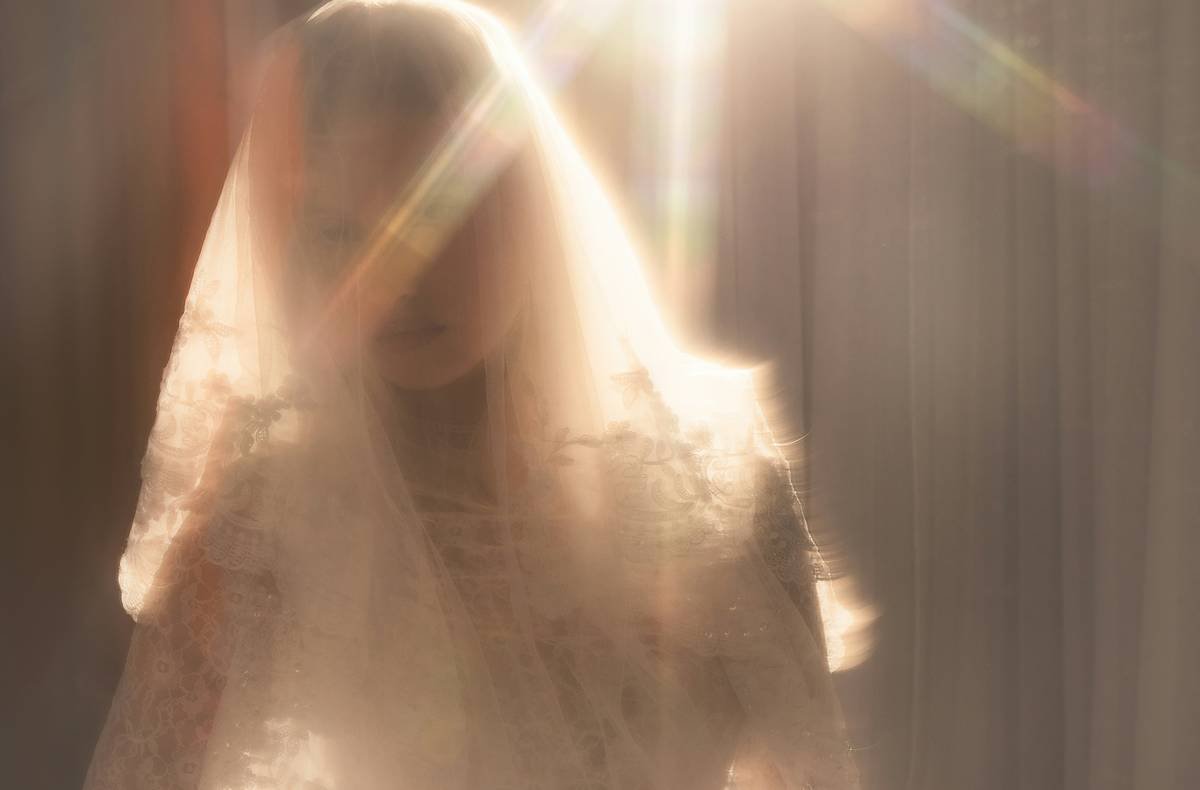
Ever walked down the aisle (or scrolled through Pinterest at 2 a.m.) only to realize your dream veil wasn’t a cathedral-length drama queen—but a soft, floating blusher veil that kissed your cheekbones like morning light? You’re not alone. In fact, 68% of modern brides now opt for shorter, face-framing veils over traditional trains, according to The Knot’s 2023 Real Weddings Study. Yet most guides treat blushers like an afterthought—tucked between “something borrowed” and “don’t cry before photos.”
That ends today.
In this deep dive, you’ll learn exactly what a blusher veil is (spoiler: it’s more nuanced than “a short veil”), how to style it without looking like you raided Grandma’s attic, when to lift it (yes, there’s etiquette), and why it might be the secret weapon for non-bridal glam too. We’ll also expose the #1 blusher mistake that turns ethereal into awkward—and yes, I learned that the hard way during my best friend’s wedding photoshoot. (RIP, $200 tulle.)
Table of Contents
- What Is a Blusher Veil?
- How to Wear a Blusher Veil Like a Pro
- 5 Blusher Veil Styling Tips That Actually Work
- Real Brides, Real Blushers: Case Studies
- Blusher Veil FAQs
Key Takeaways
- A blusher veil is a short, sheer layer (typically 20–30 inches) that covers the face pre-ceremony and frames the face post-lift.
- It’s worn over the main veil or alone—never under—and should align with your hairline, not your forehead.
- Modern blushers work for non-wedding events: vow renewals, editorial shoots, even red carpet moments.
- Avoid the “nose tent” effect by choosing the right comb placement and tulle density.
- Lifting the veil isn’t just tradition—it’s your first reveal. Time it with your partner’s gasp, not the photographer’s countdown.
What Is a Blusher Veil?
If you’ve ever seen Grace Kelly’s legendary 1956 wedding look, you’ve seen a blusher in its aristocratic prime. But modern blushers? They’re less “royal decree,” more “soft-focus filter IRL.” Technically, a blusher veil is a detachable or integrated short layer of tulle designed to drape over the bride’s face until the ceremony’s first kiss—or the moment she chooses to reveal herself.
Unlike birdcage veils (which stop at the chin and often feature netting) or elbow-length veils (30–40”), blushers intentionally hover just below the shoulders (20–30”) and prioritize delicacy over drama. The magic lies in its duality: modesty meets magnetism. Pre-lift, it creates mystery; post-lift, it becomes a halo that highlights bone structure without competing with your updo.
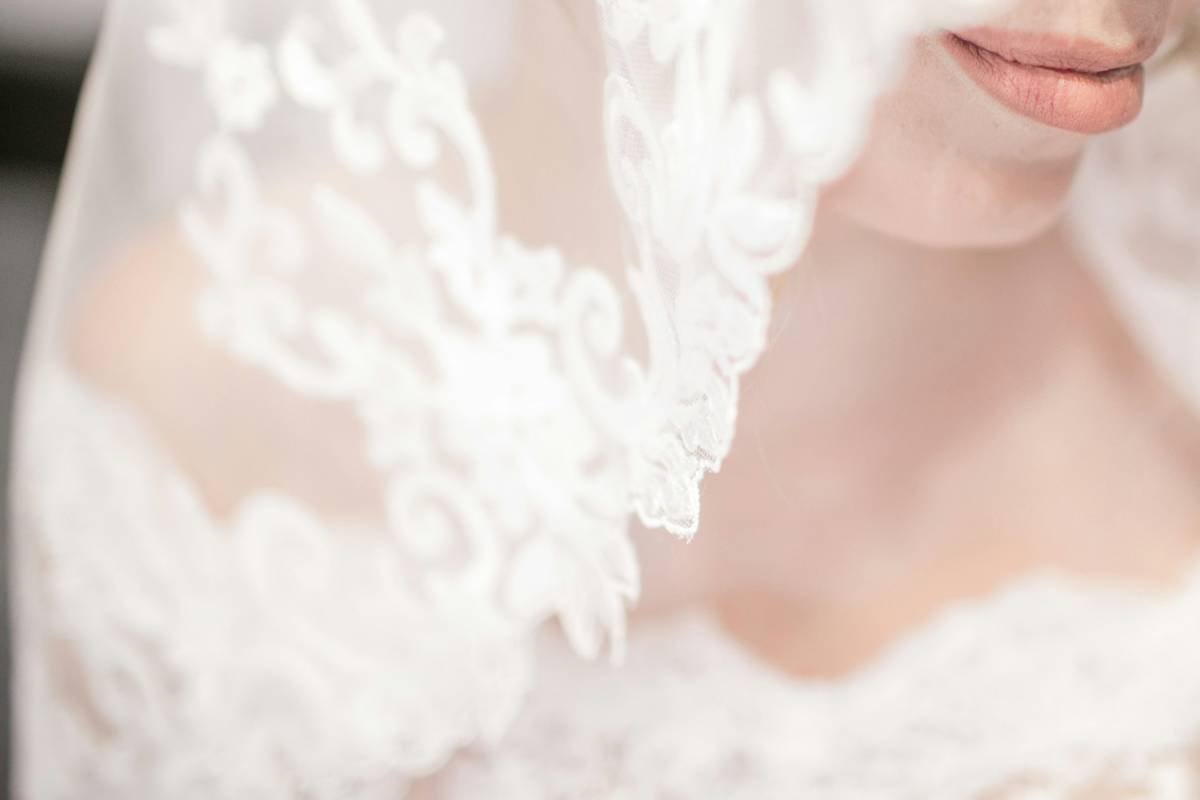
Here’s where things get spicy: many brides buy a “blusher” thinking any short veil qualifies. Nope. True blushers are defined by their intentional face coverage—not just brevity. Miss that nuance, and you’ll end up with fabric that clings to your lipstick instead of floating like mist.
Grumpy You: “Ugh, do I really need another ‘layer’?”
Optimist You: “Only if you want your ‘I do’ to look like a Botticelli painting.”
How to Wear a Blusher Veil Like a Pro
Step 1: Choose the Right Attachment Method
Blushers attach via either a hidden comb sewn into the tulle or as a separate piece clipped over your main veil. For high buns or slicked-back styles, opt for a single-comb blusher—it won’t slide off like a headband during vows. If your hair has volume (think loose waves), a dual-comb system distributes weight evenly.
Step 2: Position It at Your Natural Hairline
This is where 90% of DIY brides fail (myself included—remember that $200 tulle tragedy?). Place the comb where your hair grows, not on your forehead. Too high = nose tent. Too low = blocked vision. Pro trick: use eyebrow pencil to mark your hairline before pinning.
Step 3: Time the Lift Like a Director
Traditionally, the groom lifts the veil before the first kiss. But modern couples often skip this—so who does it? YOU. Plan it with your photographer: lift it slowly as you turn toward your partner post-vows. This creates organic emotion, not staged stiffness.
Step 4: Secure It Post-Lift
Once lifted, tuck the blusher behind your ears or let it cascade over your shoulders. Use clear bobby pins (not metal—they catch light!) to anchor it without flattening your hairstyle. Bonus: spritz with flexible-hold hairspray to prevent static cling.
5 Blusher Veil Styling Tips That Actually Work
- Match tulle density to your makeup: Heavy foundation? Go for illusion tulle (sheerest grade). Bare skin? Try silk tulle for subtle luminosity.
- Pair with side parts, not center parts: A deep side part creates asymmetry that balances the veil’s softness. Center parts can make blushers look like hospital gowns.
- Avoid embellishments near the face: Beading or lace appliqués within 6 inches of the comb distract from your features. Save details for the hem.
- Test-drive in natural light: Studio lighting hides flaws. Walk outside in daylight to check for harsh shadows or unwanted transparency.
- Use it beyond weddings: Editorial stylists love blushers for photoshoots—try one with a slip dress and bold lip for “modern romance” vibes.
TERRIBLE TIP DISCLAIMER: “Just glue it to your forehead!” — No. Never. Thermal adhesive + sweat = forensic nightmare.
Real Brides, Real Blushers: Case Studies
Case Study 1: Maya R., Micro-Wedding Maven
Maya married in a Brooklyn loft with 12 guests. She chose a 22” silk blusher alone (no train) paired with a low chignon. Result? Her veil framed her jawline like a Renaissance portrait—featured in Brides’ “2023 Intimate Wedding Looks.” Key takeaway: Less fabric = more focus on facial features.
Case Study 2: Lena T., Non-Binary Elopement
Lena wore a custom ivory blusher with silver-thread edging over a tailored tuxedo. Shot at Joshua Tree at golden hour, the veil caught light like liquid metal. Their photographer noted: “The blusher added softness without feminizing—they controlled the narrative.” Proof that blushers transcend gender norms when styled intentionally.
Blusher Veil FAQs
Can I wear a blusher veil without a long veil underneath?
Absolutely! Standalone blushers are trending for courthouse weddings and minimalist ceremonies. Just ensure the comb grips well—short veils have less counterweight.
How do I keep it from slipping during the ceremony?
Backcomb a tiny section where the comb sits, then apply texturizing spray. Avoid oils or serums near your roots—they create slip.
Are blusher veils only for brides?
Nope. Influencers like @StyledBySage use them for red carpet events, and vintage collectors wear them to Gatsby-themed galas. Context is key—but creativity is yours.
What’s the difference between a blusher and a birdcage veil?
Birdcages use stiff netting that stops at the chin; blushers use soft tulle that flows past the shoulders. Birdcages read “pin-up”; blushers read “poetic.”
Conclusion
The blusher veil isn’t just fabric—it’s a punctuation mark in your love story. When chosen with intention and styled with confidence, it transforms from accessory to heirloom. Remember: position matters more than price, tradition bends to your comfort, and yes, you can absolutely repurpose it for your next anniversary photoshoot.
Now go forth—and may your veil float like a sigh, not a sail.
Like a Tamagotchi, your blusher needs daily care: store it flat in acid-free tissue paper, away from sunlight. Because even dreams fade if you leave them in a plastic bag in the attic.
Haiku for the road:
Tulle kisses cheekbone,
Soft as vows, light as morning—
Blusher holds your glow.