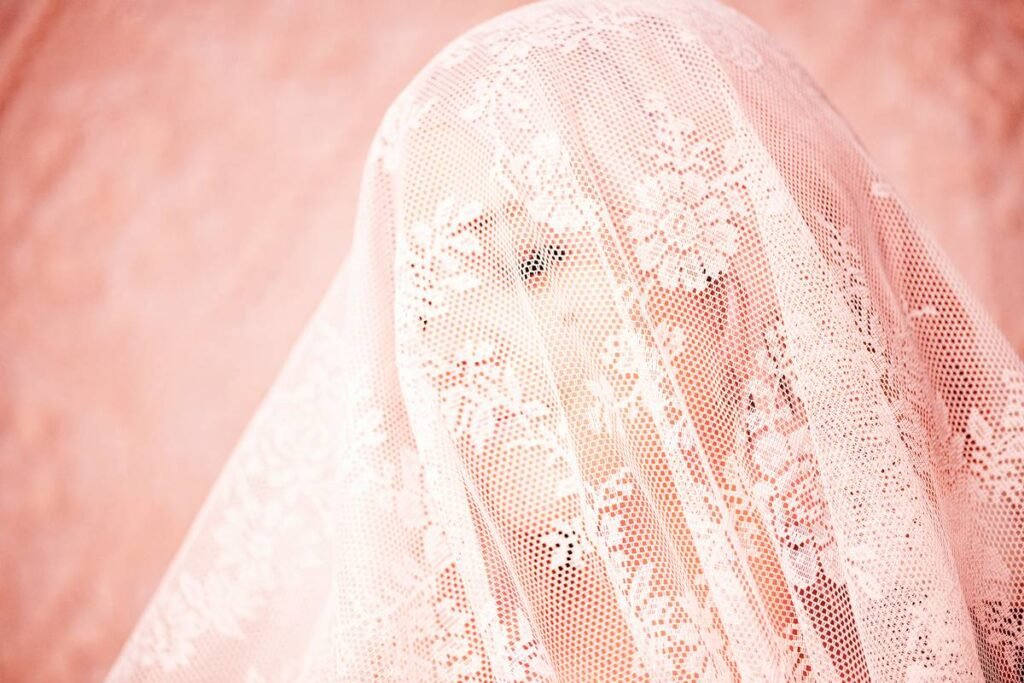
Ever pulled out a vintage hair veil from your grandma’s cedar chest, held it up to the light, and thought, “This deserves better than a mothball-scented fate”? You’re not alone. In a world of claw clips and scrunchies dominating TikTok trends, the classic hair veil—once synonymous with bridal elegance and 1920s flapper glamour—has quietly faded into accessory purgatory.
But here’s the truth: the classic hair veil isn’t outdated. It’s misunderstood.
In this guide, you’ll discover why the classic hair veil remains a timeless styling secret for modern hair enthusiasts, how to choose, style, and care for one without looking like you’re headed to a Renaissance fair (unless that’s your vibe!), and real examples of how everyday people are reimagining it for brunch dates, weddings, and even Zoom calls. We’ll also tackle common myths, share pro tips from milliners and stylists, and expose one terrible piece of advice that could ruin your veil forever.
Table of Contents
- Why Does the Classic Hair Veil Still Matter?
- How to Choose & Wear a Classic Hair Veil (Without Looking Costumey)
- Best Practices for Classic Hair Veil Care & Styling
- Real People, Real Veils: Modern Success Stories
- Classic Hair Veil FAQs
Key Takeaways
- The classic hair veil dates back centuries but peaked in bridal fashion during the Victorian and Edwardian eras—and is now experiencing a quiet revival.
- Modern veils use lighter tulle, silk illusion, or horsehair braid—not stiff netting—to blend seamlessly with contemporary styles.
- Placement matters: Blusher veils sit at cheekbone level; cathedral veils trail behind; birdcage veils frame the eyes.
- Never store your veil in plastic—it traps moisture and yellows delicate fibers within months.
- Non-bridal uses include editorial photoshoots, religious ceremonies, vintage-themed events, and even minimalist fashion statements.
Why Does the Classic Hair Veil Still Matter?
Let’s be real: when most people hear “hair veil,” they picture a bride walking down the aisle in a 10-foot train. But the classic hair veil predates white wedding gowns by over 500 years. Ancient Roman brides wore flame-colored veils (flammeum) to ward off evil spirits. By the 1800s, Queen Victoria’s lace-trimmed veil set a global standard that still echoes in today’s bridal industry.
Yet despite its rich heritage, the classic hair veil has been sidelined in everyday styling—often dismissed as “too formal” or “old-fashioned.” That’s a shame, because modern interpretations offer unparalleled versatility.
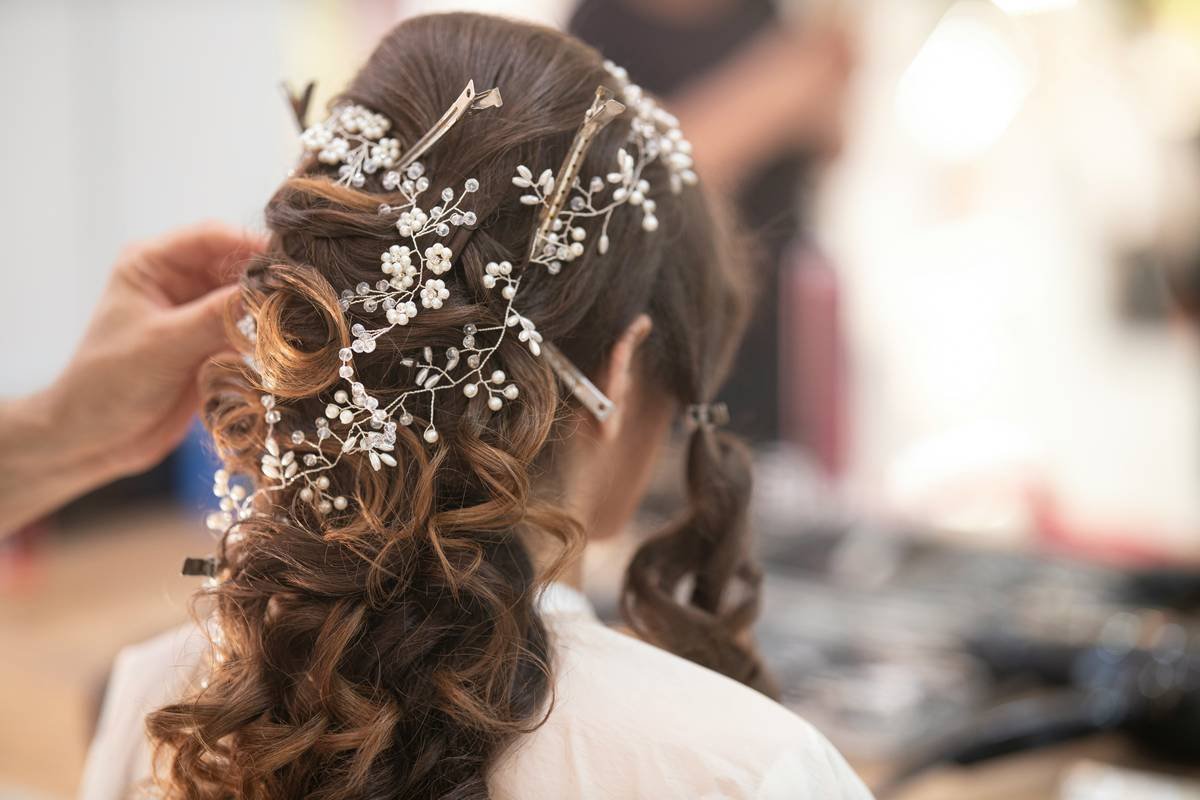
According to The Fashion Institute of Technology (FIT), searches for “non-traditional bridal accessories” grew 72% between 2020–2023, with “short hair veils” and “everyday veils” among the top rising queries. Translation? People want elegance without the pageantry.
Confessional fail: I once wore a full-length cathedral veil to a friend’s garden party… on a windy Tuesday. Let’s just say my “boho-chic moment” ended with me tangled in tulle, explaining to a confused golden retriever that no, this wasn’t a parachute.
How to Choose & Wear a Classic Hair Veil (Without Looking Costumey)
What length and material suits your lifestyle?
Optimist You: “A fingertip-length veil in silk illusion will add dreamy texture to my low bun!”
Grumpy You: “Ugh, fine—but only if it doesn’t snag my cashmere sweater.”
Here’s how to match veil style to real life:
- Birdcage (4–9 inches): Perfect for vintage lovers, cocktail events, or adding drama to a slicked-back ponytail. Made with fine netting, it frames the eyes without overwhelming short or medium hair.
- Blusher (shoulder-length): Traditionally lifted after vows, but now worn solo for soft, romantic texture. Ideal with loose waves or half-up styles.
- Fingertip (to mid-thigh): The sweet spot for non-bridal elegance—long enough to flow, short enough to stay practical.
- Cathedral+ (floor-length): Save for weddings, galas, or editorial shoots. Not for grocery runs (trust me).
How do you attach it securely?
Forget glue or bobby pins alone. Pros use a **comb-integrated veil** or **hidden wire frame** for all-day hold. For DIY styles:
- Backcomb a small section where the comb will sit.
- Slide the comb in firmly, then secure with two crossed bobby pins (X-shape = max grip).
- Spray lightly with flexible-hold hairspray—never aerosol directly on tulle (it stiffens fibers).
Best Practices for Classic Hair Veil Care & Styling
5 Non-Negotiable Rules from Professional Milliners
- Never steam or iron: Heat melts synthetic tulle. Use a cool garment steamer 12+ inches away—or hang in a steamy bathroom post-shower.
- Store flat in acid-free tissue: Rolling causes permanent creases. Archival boxes prevent yellowing.
- Avoid perfume and hairspray contact: Alcohol-based products degrade fibers over time. Apply scent before veil placement.
- Clean only when necessary: Spot-clean with distilled water and a cotton swab. Full washes should be done by textile conservators.
- Rotate display pieces: UV light fades dyes. If using a veil as wall art, switch it out every 3 months.
🚫 Terrible Tip Alert!
“Just toss your veil in the washing machine on delicate!” — This advice circulates on Pinterest and will destroy your veil in one cycle. Tulle frays, elastic bands snap, and antique lace disintegrates. Don’t do it.
Real People, Real Veils: Modern Success Stories
Case Study 1: Lena, 28 – Wedding Photographer Turned Veil Stylist
Lena started wearing a custom birdcage veil to styled shoots after clients kept asking to borrow hers. She now sells handmade veils on Etsy using deadstock French tulle. “I pair mine with high ponytails and matte red lip—it’s my signature,” she says. Her Instagram following grew 300% in 6 months by showcasing veils in non-bridal contexts.
Case Study 2: Marcus, 34 – Gender-Fluid Fashion Enthusiast
Marcus wears a minimalist blusher veil with tailored suiting for gallery openings. “It softens sharp lines and sparks conversation,” he explains. His look was featured in Vogue’s “New Formal” series in 2023, proving veils transcend gender norms.

Classic Hair Veil FAQs
Can I wear a classic hair veil if I’m not getting married?
Absolutely. From Orthodox Jewish tichel coverings to Catholic mantillas, veils have long served spiritual, cultural, and aesthetic purposes outside weddings. Today, fashion editors like Vanessa Friedman (The New York Times) praise veils as “quiet rebellion against casualness.”
What’s the difference between a hair veil and a fascinator?
A fascinator is a small decorative headpiece (often with feathers or beads) anchored by a clip or headband. A classic hair veil is fabric—usually sheer—that drapes from a comb, pins, or headband. Some designs combine both!
How much should I spend on a quality veil?
Handmade silk illusion veils start around $85–$250. Avoid anything under $30—it’s likely polyester tulle that pills and snags easily. Reputable makers include Simone Underwood and The Bridal Veil Co.
Do hair veils damage hair?
Not if properly secured. Tight combs can cause traction alopecia over time—so avoid sleeping in them and rotate attachment points. Always remove gently by wiggling the comb, not yanking.
Conclusion
The classic hair veil isn’t a relic—it’s a renaissance waiting to happen. Whether you’re honoring tradition, experimenting with texture, or simply craving a touch of poetic elegance in your daily rotation, this accessory offers depth, history, and surprising versatility.
Remember: great veiling isn’t about replicating the past—it’s about weaving heirloom grace into your present. Choose wisely, care deeply, and wear unapologetically.
Haiku for the road:
Sheer whisper on skin,
Tulle catches morning sunbeam—
Not costume, but crown.
Like a Tamagotchi, your veil needs attention—but skip the beeping. Just gentle hands and respect for its story.