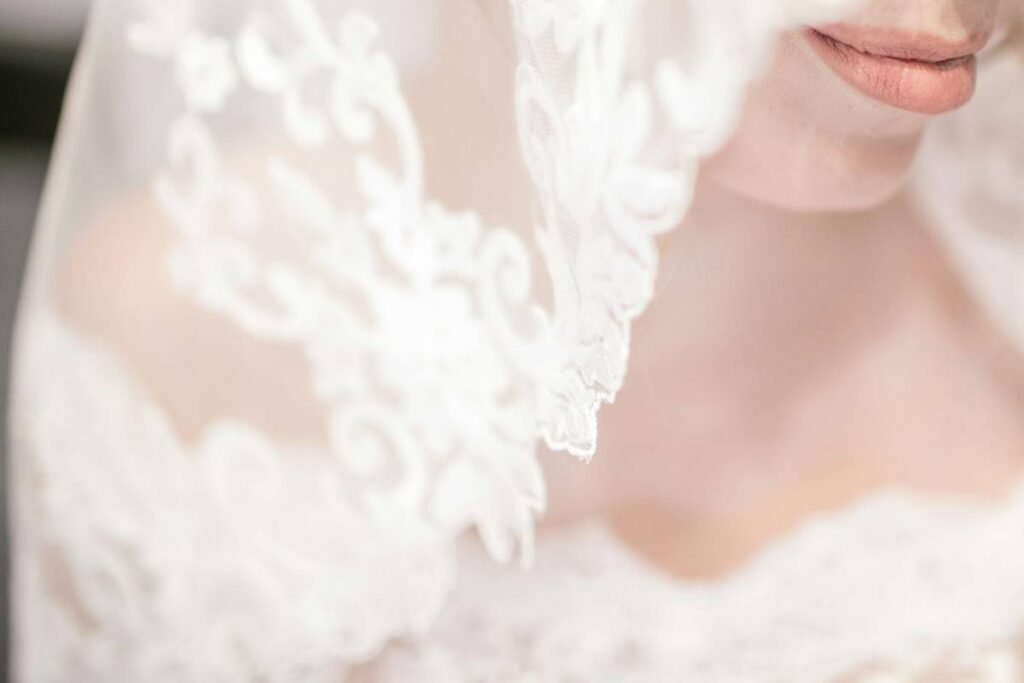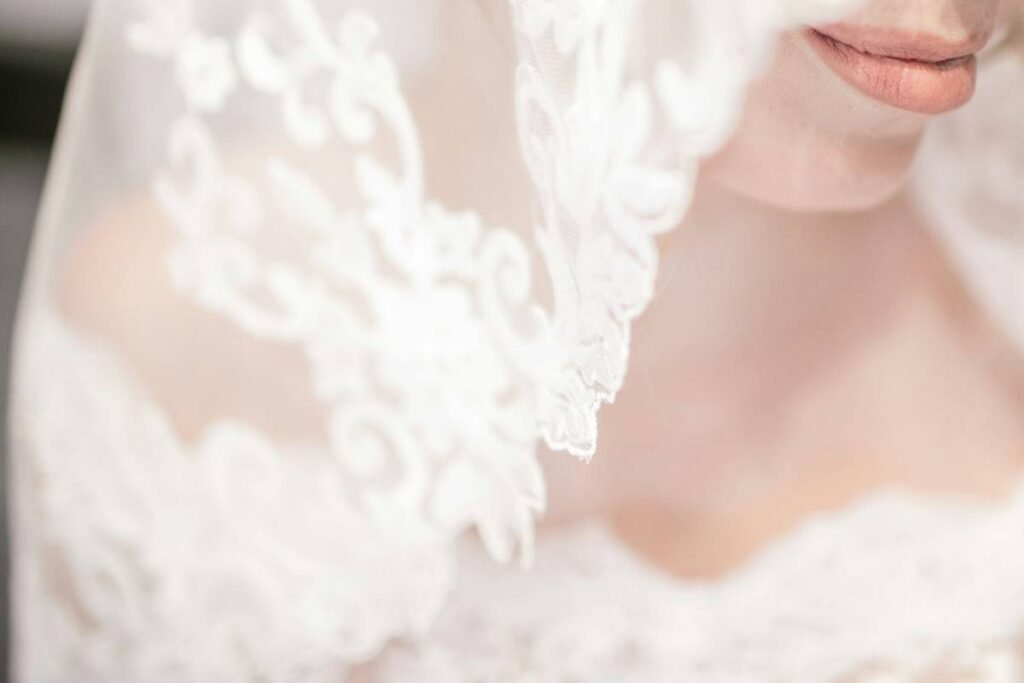
Ever spent an hour scrolling through Pinterest only to realize you still don’t know if a cathedral veil will swamp your petite frame—or whether your hair can even hold it? Yeah. We’ve been there. And no, tossing on just *any* long bridal veil won’t magically transform you into Grace Kelly.
This isn’t just about fabric trailing behind you like a feather duster. A well-chosen long bridal veil elevates your entire look—adding romance, structure, and heirloom-worthy drama. In this guide, you’ll learn how to choose the right length and style for your dress and face shape, secure it without scalp trauma, avoid common stylistic disasters (looking at you, wind tunnel disaster), and even care for your veil post-wedding so it lives beyond Instagram reels.
Table of Contents
- Why Does the Right Long Bridal Veil Actually Matter?
- How to Choose & Style Your Long Bridal Veil Like a Pro
- 5 Non-Negotiable Tips from Real Bridal Stylists
- Real Brides, Real Results: Case Studies
- FAQs About Long Bridal Veils
Key Takeaways
- Cathedral veils (108″+) suit formal, structured gowns—but overwhelm relaxed silhouettes or short brides without proper proportion balancing.
- Always test veil attachment during hair trials; weak combs or improper placement cause slippage by ceremony time.
- Silk tulle breathes better than polyester but costs 2–3x more; consider blended fabrics for humidity-prone climates.
- Veil length should complement—not compete—with train length; mismatched proportions break visual harmony.
- Post-wedding, store your veil flat in acid-free tissue paper—not hanging—to prevent creasing and yellowing.
Why Does the Right Long Bridal Veil Actually Matter?
Let’s be brutally honest: many brides treat the veil as an afterthought—something grabbed last-minute because “tradition says so.” But here’s what no one tells you: your veil is architectural. It frames your face, extends your silhouette, and whispers your wedding’s emotional tone before you say “I do.”
I once styled a bride in Napa who insisted on a 144″ royal veil with a boho lace slip dress. Mid-ceremony gust? The veil wrapped around her ankles like a clingy ex. She couldn’t walk. Guests panicked. It wasn’t elegant—it was chaotic.
According to The Knot’s 2023 Real Weddings Study, 68% of brides who wore long veils reported feeling “more bridal” and “emotionally connected” to their look—but only when the veil matched their gown’s formality and their venue’s scale. A mismatched veil doesn’t just look off—it drains confidence.
How to Choose & Style Your Long Bridal Veil Like a Pro
What length actually qualifies as a “long bridal veil”?
Industry standard defines “long” as anything over 72 inches. But for true drama:
- Chapel: 90–108 inches – ideal for ballgowns or A-lines in churches or grand halls.
- Cathedral: 108–120 inches – best with structured mermaid or trumpet gowns; requires space to flow.
- Royal/Monarch: 120–180+ inches – reserved for ultra-formal weddings; think Westminster Abbey energy.
How do I match it to my dress WITHOUT looking costumey?
Rule #1: Your veil should echo your gown’s neckline and volume. A high-neck lace dress? Opt for a blusher layer with minimal embellishment. Strapless satin mermaid? Go single-layer silk tulle with subtle gathering at the comb.
Optimist You: “Just pick the longest one—it’s more dramatic!”
Grumpy You: “Ugh, fine—but only if your aisle is wide enough and your MOH has biceps.”
How do I keep it from sliding off during vows?
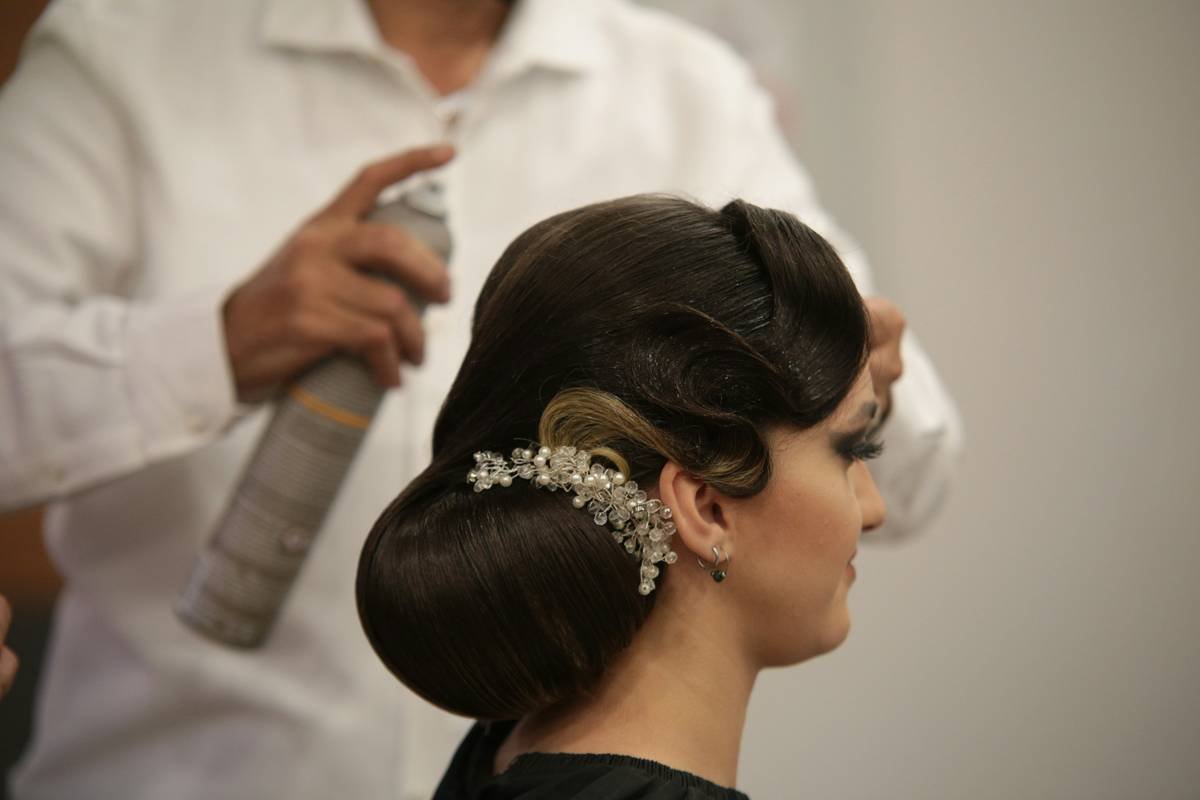
- Use two anchors: Tease a small section of hair where the comb sits, then slide it in deep. Add a second bobby pin crossed under the comb teeth.
- Avoid silicone grips—they melt in heat. Instead, use velvet-wrapped metal combs (they grip hair, not sweat).
- Do a wind test: On your hair trial day, ask your stylist to fan your veil from 3 feet away. If it lifts off your head—abort mission.
5 Non-Negotiable Tips from Real Bridal Stylists
- Never buy before your final fitting. Dress alterations change necklines—and veil attachment points. Wait.
- Blusher layers are functional, not fussy. They protect makeup during photos and give you a modest lift for the walk down the aisle.
- Raw-cut edges > sewn hems. Sewn hems add weight and stiffness; raw-cut silk tulle floats naturally.
- Skip rhinestones if you’re outdoors. Sunlight turns them into disco balls—blinding your photographer and guests.
- Steam, don’t iron. Silk tulle scorches at 230°F. Use a garment steamer held 6 inches away.
My Pet Peeve Rant:
“Bridal sets” sold online with detachable veils that cost $30 and feel like shower curtains? Hard pass. Real tulle drapes with weightless movement. If it crackles like a grocery bag—walk away. You deserve better than Fast Fashion Matrimony™.
Real Brides, Real Results: Case Studies
Case 1: Maya, 5’2″, NYC Rooftop Wedding
Gown: Reformation slip dress
Challenge: Wanted cathedral veil but feared drowning in fabric.
Solution: Custom 90″ chapel veil in lightweight silk illusion tulle + double-comb anchor system.
Result: Veil floated without dragging; photos showed elegant line extension, not overwhelming bulk.
Case 2: Priya, Outdoor Vineyard Ceremony, 95°F
Gown: Heavy satin mermaid
Mistake Avoided: Originally chose polyester veil (“cheaper”). Swapped to silk-blend tulle after humidity test melted adhesive on sample.
Outcome: Veil stayed crisp; zero static cling during vows.
FAQs About Long Bridal Veils
Can short brides wear long bridal veils?
Yes—if you balance proportions. Choose a waist-attached veil (not head-only) or pair with heels ≥3″. Avoid royal lengths unless you have a spacious venue.
How much does a quality long bridal veil cost?
Handmade silk tulle cathedral veils range $300–$800. Blends (silk/poly) start at $150. Custom embroidery adds $100–$400.
Should my veil match my dress color exactly?
No. Most gowns are ivory, diamond white, or champagne. Bring fabric swatches to your veil consultation. Tulle dye lots vary—always view in natural light.
Can I reuse my veil after the wedding?
Absolutely. Many preserve it as heirloom art, trim it into a mantilla for vow renewals, or repurpose lace appliqués into jewelry.
Conclusion
A long bridal veil isn’t just accessory—it’s emotional architecture. Get it right, and you’ll feel regal, grounded, and utterly yourself. Get it wrong, and you’re battling fabric in 90-degree heat while your grandma trips over it. Use this guide to match length to venue, fabric to climate, and attachment to your updo’s strength. And remember: the best veil doesn’t shout—it whispers elegance.
Like a Tamagotchi, your veil needs daily care—even before the big day.
Still unsure? Book a virtual consultation with a certified bridal stylist (look for IBW or ABIA credentials). Your future self—floating down the aisle, tear-free and tangle-free—will thank you.