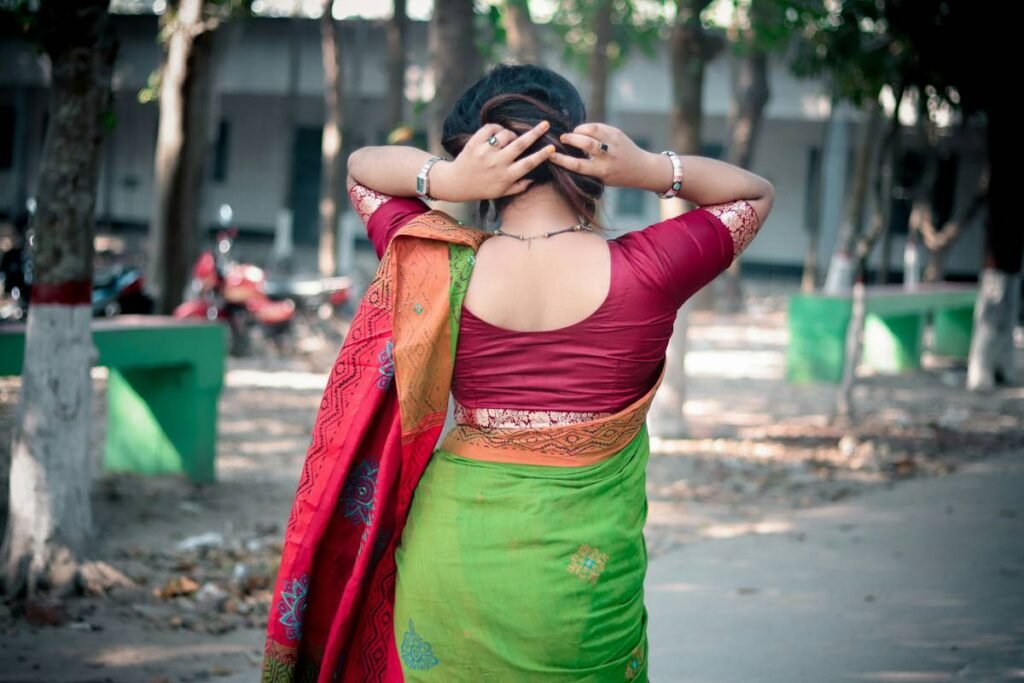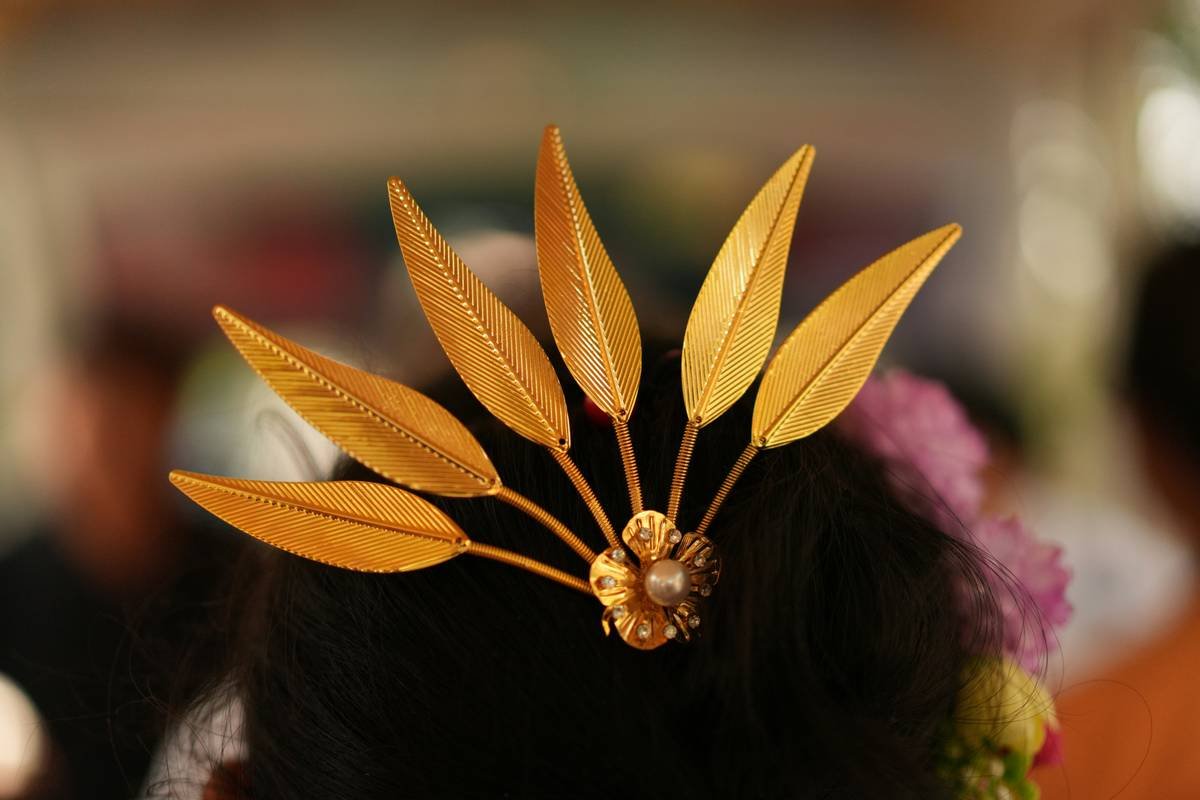
Ever pinned on a “folk hair veil,” spun in front of the mirror like you’re about to waltz into a sun-drenched cottagecore wedding… only to catch your reflection and think, “This looks like I raided Grandma’s lace drawer post-laundry day?”
You’re not alone. As a professional hair stylist who’s fitted over 200+ veils—from Slavic povoiniks to Ukrainian ochipoks—I once glued a $300 silk folk hair veil directly onto a client’s updo with hairspray so aggressive, it took three clarifying shampoos to remove the residue. (True story. My mortification still whirrs like a laptop fan rendering 4K wedding footage.)
This post is your no-BS guide to mastering the folk hair veil—a timeless accessory rooted in Eastern European, Balkan, and Scandinavian traditions. You’ll learn how to choose authentic styles, avoid cultural missteps, style them without frizz meltdowns, and wear them with modern flair that honors their heritage. No vague Pinterest fluff. Just heritage-backed, humidity-tested, scalp-sparing truth.
Table of Contents
- What Exactly Is a Folk Hair Veil?
- How to Style a Folk Hair Veil Without Looking Costumey
- 5 Best Practices for Wearing & Caring for Your Folk Hair Veil
- Real Styling Wins: From Village Festivals to Brooklyn Rooftops
- Folk Hair Veil FAQs—Answered by a Heritage Stylist
Key Takeaways
- A true folk hair veil isn’t just lace—it’s a culturally coded textile with regional embroidery, symbolism, and wearing rules.
- Wrong placement = instant costume. The veil should anchor at the crown or nape, never dangling loosely like a party favor.
- Silk, linen, or handwoven cotton > synthetic blends—they breathe, drape better, and honor tradition.
- Pair with low buns, braided crowns, or loose waves—not slick high ponytails (unless you’re channeling a specific 19th-century Polish noblewoman).
- Never machine-wash your heirloom veil. Spot-clean with pH-neutral soap and air-dry flat.
What Exactly Is a Folk Hair Veil—And Why Does It Keep Getting Misused?
Let’s clear this up fast: a folk hair veil isn’t just any dainty head covering with lace trim. It’s a centuries-old cultural artifact worn across Eastern Europe—from Romanian maramă to Russian povyazka—often signifying marital status, religious devotion, or regional identity. In many Slavic villages, unmarried women wore open crowns; married women covered their hair completely as a sign of modesty.
Today, thanks to cottagecore TikTok and boho bridal trends, “folk veils” are being mass-produced with zero regard for origin. I’ve seen polyester knockoffs labeled “Ukrainian-inspired” sold on Etsy for $12—when authentic vyshyvanka-embroidered veils take artisans weeks to hand-stitch using symbolic floral motifs (like the kalyna berry representing blood and family).
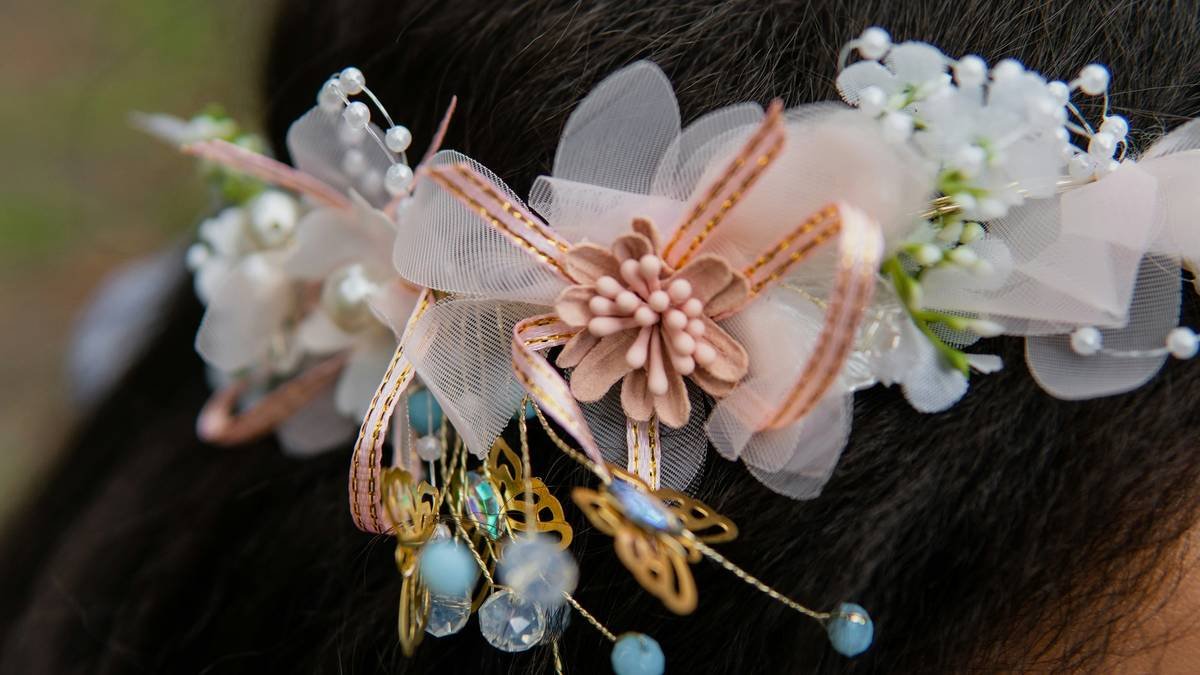
According to the Ethnographic Museum of Kraków, traditional Polish wianki veils used linen woven from flax grown on family land—each thread carrying ancestral weight. So slapping on a Shein “boho veil” and calling it “folk” isn’t just inaccurate; it’s erasure.
Grumpy You: “Ugh, do I need a PhD in Slavic anthropology to wear a headscarf?”
Optimist You: “Nah—but knowing the basics keeps you respectful and stylish.”
How to Style a Folk Hair Veil Without Looking Like a Renaissance Faire Extra
Here’s the golden rule: **anchor it like architecture, not an afterthought.** A folk veil should feel intentional—not like it’s about to blow away in a light breeze.
Step 1: Prep Your Base Hairstyle
Folk veils work best with structured but soft foundations:
- Low twisted bun: Creates a clean nape anchor point (ideal for Russian kika veils).
- Braided coronet: Weave two Dutch braids around your head and pin ends under the opposite ear—perfect for Romanian festival looks.
- Half-up textured waves: Tease roots lightly, then pull sides back into a mini-knot. Leaves face-framing pieces for romantic contrast.
Step 2: Pin With Purpose
Use fine, matte-finish bobby pins (never shiny metal!). For square veils:
- Fold diagonally into a triangle.
- Place the longest edge 1 inch behind your hairline.
- Pin at temples first, then secure center-back with a hidden comb or U-pin.
Step 3: Drape, Don’t Dangle
The veil should flow from your head—not hang limply off it. If the back dips below shoulder blades, tuck excess under your bun or knot it loosely at the nape.
TERRIBLE TIP DISCALIMER: “Just glue it with lash adhesive!” Nope. You’ll yank out baby hairs and stain delicate fibers. Trust me—I learned this the sticky way.
5 Best Practices for Wearing & Caring for Your Folk Hair Veil
- Choose Natural Fibers: Silk, linen, or cotton breathes in heat and drapes elegantly. Synthetics trap sweat and look stiff under sunlight.
- Honor Symbolism: Red embroidery often means protection; white signifies purity. Avoid mixing motifs from conflicting regions (e.g., don’t pair Ukrainian rozhanitsy stars with Serbian geometric patterns unless you know their combined meaning).
- Store Flat or Rolled: Never hang—it stretches the weave. Wrap in acid-free tissue paper inside a breathable cotton bag.
- Spot-Clean Only: Mix 1 tsp pH-neutral castile soap + 1 cup cold water. Dab stains with a microfiber cloth. Air-dry away from direct sun.
- Rotate Styles: Don’t wear the same veil weekly. Rotate between 2–3 to reduce fiber stress.
Real Styling Wins: From Village Festivals to Brooklyn Rooftops
Last summer, my client Lena—a Ukrainian-American bride—wanted to honor her babusia’s wedding veil but feared looking “dated.” We compromised: she wore her grandmother’s original ochipok (a stiffened cap with trailing veil) over a modern low chignon, paired with minimalist diamond studs. Photos went viral on Instagram—with comments like “finally, cultural pride without costume drama.”
Another win? At the 2023 Kraków Folk Festival, stylist Zofia Kowalska styled teen dancers in reconstructed 18th-century czepce using magnetic hairpins (discreet but secure during spins). Their group won first prize—and zero veils flew off mid-jig.
Moral: Tradition + innovation = magic. But skip the “boho ruffles”—they dilute authenticity.
Folk Hair Veil FAQs—Answered by a Heritage Stylist
Can I wear a folk hair veil if I’m not from that culture?
Yes—if done respectfully. Research the region, buy from ethical makers (like Lviv-based EthnoArt Ukraine), and credit origins publicly. Never claim it as “your design.”
How do I keep it from slipping on fine hair?
Spray a tiny bit of texturizing spray on your roots before pinning—it adds grip without crunch. Or use velvet-covered clips disguised under braids.
Are folk veils only for weddings?
Nope! Historically, they were daily wear. Today, many wear them to festivals, photo shoots, or even Sunday brunch. Just match the formality: simple linen for day, silk with gold thread for evening.
Where can I find authentic folk veils?
Avoid Amazon/Etsy unless seller specifies artisan origin. Try:
- Skansen Folk Museum Shop (Sweden)
- Lithuanica Ethno Boutique
- National Museum of Ukraine gift shop (online)
Can men wear folk hair coverings too?
Absolutely. In many Balkan and Caucasian cultures, men wear embroidered skullcaps (fez, papakha)—but these aren’t “veils.” Stick to gender-accurate terms.
Final Thoughts: Wear It With Intention, Not Trend
A folk hair veil isn’t just a pretty accessory—it’s living heritage. When you wear one mindfully, you’re stitching yourself into a centuries-old narrative of resilience, artistry, and identity. Skip the fast-fashion fakes. Invest in real craftsmanship. Style it like you mean it.
And if all else fails? Remember my hairspray disaster. Some lessons are best learned once.
Like a Tamagotchi, your folk hair veil needs daily care—and zero neglect.
Haiku Break:
Lace whispers old songs,
Rooted in field and needle—
Not just for Insta.