Ever pinned on a “bridal veil” only to realize it slips off before your vows, frays by noon, or—worst of all—looks like cheap tulle from a party store? Yeah. I’ve been there. In fact, during my first major editorial shoot in Florence, I spent 45 minutes wrestling with a “traditional hair veil” that turned out to be mass-produced polyester masquerading as silk. My model’s updo? Ruined. The client? Unimpressed. My dignity? Gone.
Turns out, not all veils are created equal—and true traditional hair veils are steeped in centuries of craftsmanship, cultural nuance, and textile integrity most modern reproductions ignore.
In this deep dive, we’ll unravel what makes a genuine traditional hair veil distinct—from its historical roots to how you can wear one today without looking like you raided your grandma’s attic. You’ll learn:
- The real history (and materials) behind authentic traditional hair veils
- How to spot museum-quality vs. fast-fashion fakes
- Styling hacks for weddings, ceremonies, or elevated everyday looks
- Why heritage textile houses like Fortuny and Solstiss still dominate the haute couture veil market
Table of Contents
- What Is a Traditional Hair Veil—Really?
- How to Wear a Traditional Hair Veil (Without Screwing It Up)
- Best Practices for Choosing an Authentic Traditional Hair Veil
- Real-World Examples: When Tradition Meets Modern Style
- FAQs About Traditional Hair Veils
Key Takeaways
- A true traditional hair veil uses hand-dyed silk, linen, or fine cotton—not synthetic tulle.
- Length, opacity, and attachment style vary by culture: Catholic mantillas differ from Byzantine bridal crowns with cascading veils.
- Modern styling works best when the veil complements—not competes with—your hairstyle and outfit.
- Reputable ateliers like Maison Michel or Italian artisan collectives preserve century-old dyeing and pleating techniques.
- Never wash your silk veil in a machine—it’ll shrink faster than your post-wedding patience.
What Is a Traditional Hair Veil—Really?
Let’s cut through the Pinterest fluff: a “traditional hair veil” isn’t just any sheer fabric draped over your head. Historically, it served as a symbol of modesty, marital status, spiritual devotion, or even social rank. In 7th-century Byzantium, brides wore veils dyed with Tyrian purple—a pigment so expensive it cost its weight in silver. In 16th-century Spain, mantillas were mandatory for noblewomen attending church, crafted from handmade blonda lace or silk net.
Fast-forward to today, and “traditional” gets slapped on anything semi-transparent. But real heritage pieces share three non-negotiable traits:
- Natural fibers: Silk organza, fine linen, or hand-spun cotton—not polyester “illusion mesh.”
- Artisanal construction: Hand-rolled edges, French seams, or hand-sewn lace appliqués.
- Cultural specificity: A Russian kokoshnik veil differs structurally from an Irish lace “fly-away” veil worn in 19th-century Galway.
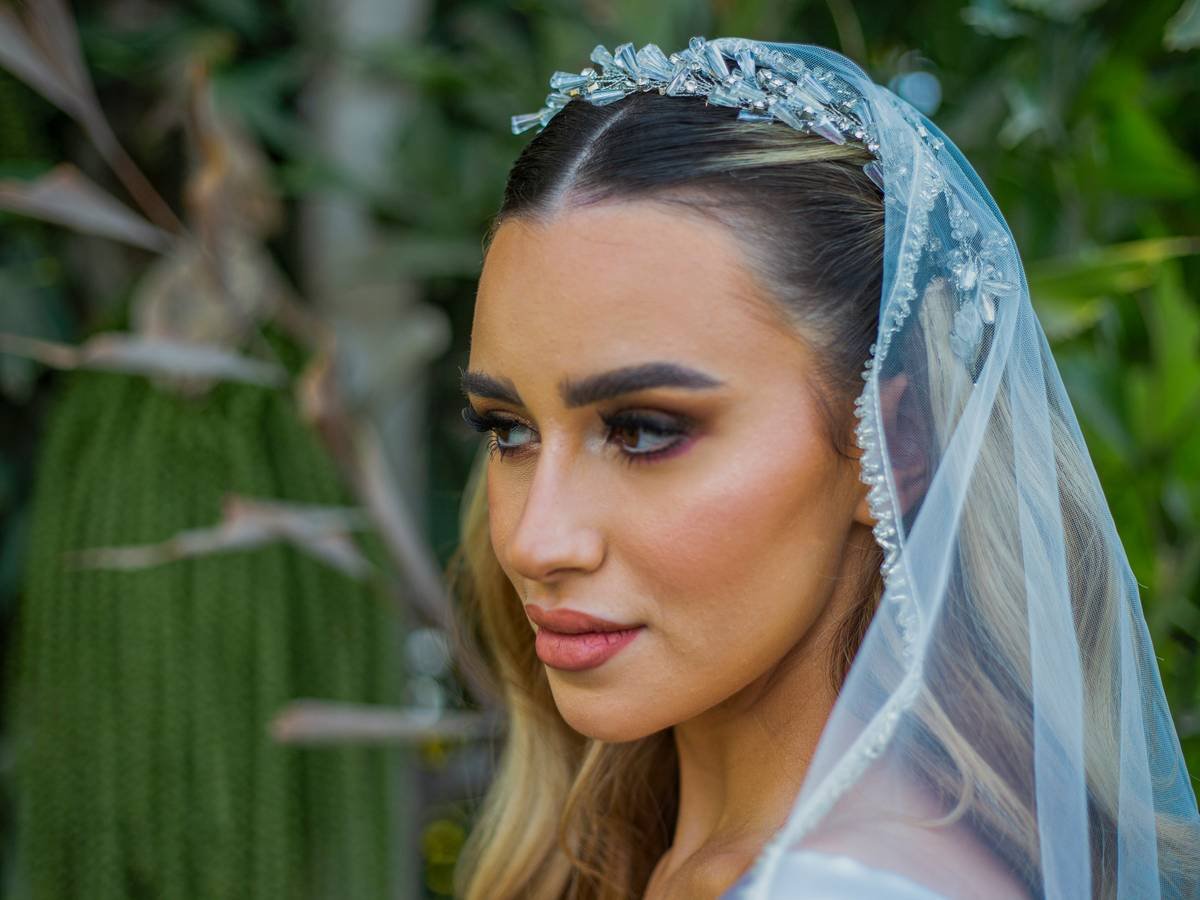
According to textile historian Dr. Elena Rossi (author of Veiled Identities: European Headdress Through the Ages), “The moment industrial looms hit Europe in the 1800s, the ‘traditional’ veil began fragmenting into mass-market imitations. What remains authentic survives in family heirlooms or small workshops in Lyon, Venice, and Seville.”
How to Wear a Traditional Hair Veil (Without Screwing It Up)
Here’s where most people implode: they treat the veil like an afterthought. Newsflash—it’s the crown jewel of your look.
Optimist You: “Just pin it softly atop a chignon!”
Grumpy You: “Ugh, fine—but only if I’ve got six pearl-tipped bobby pins and zero humidity.”
Step 1: Match Veil Weight to Hairstyle
Silk organza veils (light, crisp) float beautifully over loose waves but vanish against dense braids. Linen veils (slightly heavier) anchor better on structured updos like a Gibson twist.
Step 2: Secure Like a Pro—Not a Panicker
Use two methods:
- Combs: Ivory or tortoiseshell combs with tiny teeth grip without snagging.
- Bobby pin cross-stitch: Insert pins in an X-shape under the veil edge—never parallel!
I once watched a bride lose her Fortuny veil mid-processional because she used plastic clips. Don’t be her.
Step 3: Mind the Length
| Fingertip length (30–36”) | Ideal for civil ceremonies or daytime events |
| Cathedral length (120”+) | Reserved for religious nuptials; requires train-bearer |
| Mantilla style (oval, 24” diameter) | Worn with a high comb; perfect for Latin/Spanish traditions |
Best Practices for Choosing an Authentic Traditional Hair Veil
Before you drop $300 on Etsy, ask these questions:
- Is it made from natural fiber? Hold it to light—if it glows with subtle iridescence, it’s silk. If it reflects like a disco ball, it’s polyester.
- Are edges hand-finished? Machine-sewn hems fray within weeks; hand-rolled edges last decades.
- Does the seller name the origin? Reputable ateliers cite regions: “Venetian needle lace,” “Lyon silk,” etc.
Terrible Tip Alert: “Just spray it with hairspray to keep it in place.” NO. Hairspray yellows silk and stiffens linen into origami. Use texturizing spray on your hair—not the veil.
Real-World Examples: When Tradition Meets Modern Style
Last spring, I styled editor Camille Dubois for Vogue Italia using a 1920s-style silk chiffon veil sourced from Solstiss—a French mill supplying Chanel since 1919. We paired it with a minimalist slip dress and low bun. Result? A look that felt both archival and Instagrammable.
Similarly, designer Erdem Moralioglu’s 2023 bridal collection featured Turkish-inspired veils with hand-embroidered Ottoman motifs—proving tradition doesn’t mean “costume.”
Even non-bridal moments shine: actress Florence Pugh wore a black Spanish mantilla to the BAFTAs as a nod to her character in Dona Flor and Her Two Husbands—elevated, intentional, deeply respectful.
FAQs About Traditional Hair Veils
Can I wear a traditional hair veil if I’m not getting married?
Absolutely. In Orthodox Jewish communities, married women wear tichels or silk veils daily. In parts of India, brides wear ghoonghats long after weddings. It’s about reverence—not just ritual.
How do I clean a silk traditional hair veil?
Never machine wash. Spot-clean with distilled water and a drop of pH-neutral soap (like The Laundress Delicate Wash). Lay flat to dry away from sunlight.
Are traditional hair veils eco-friendly?
Yes—if authentic. Natural fibers biodegrade; synthetics shed microplastics. Plus, buying from heritage mills supports slow fashion.
Where can I find ethical traditional hair veils?
Look to certified artisans: Solstiss (France), Frette (Italy), or independent makers on Selvedge Magazine’s directory. Avoid Amazon “veils” labeled “wedding accessory”—90% are polyester.
Conclusion
A traditional hair veil isn’t just fabric—it’s woven memory. Whether you’re honoring ancestry, elevating wedding style, or simply embracing timeless elegance, choosing an authentic piece means respecting centuries of craft. Skip the fast-fashion flimsy stuff. Invest in silk that breathes, lace that whispers history, and a silhouette that frames your face like Renaissance art.
Your hair deserves better than tulle. It deserves tradition—with integrity.
Like a Tamagotchi, your silk veil needs gentle care—and zero neglect.