Ever stood in front of your mirror 45 minutes before your sister’s vow renewal—hair half-pinned, eyes wide with existential dread—because the “vintage-style ceremonial hair veil” you ordered arrived looking like a shower cap with commitment issues? Yeah. We’ve been there. And not just once.
If you’re navigating formal events, cultural rites, or sacred ceremonies, a ceremonial hair veil isn’t just an accessory—it’s a silent storyteller. It conveys reverence, heritage, and intention. Yet most guides treat it like generic tulle you can slap on post-facial mask. Not cool.
In this guide, you’ll discover:
- Why fabric weight and cut matter more than sparkle (yes, really)
- How to match your veil to hairstyle, face shape, and ceremony type—without melting down
- Real stylist mistakes (including my own lace-induced meltdown at a Greek Orthodox baptism)
- Where to source ethically made veils that won’t disintegrate mid-aisle
Table of Contents
- Why Ceremonial Hair Veils Matter (Beyond Pinterest Aesthetics)
- How to Choose & Wear a Ceremonial Hair Veil Like a Pro
- 7 Best Practices Most Stylists Won’t Tell You
- Real-Life Ceremonial Veil Wins (and One Epic Fail)
- Ceremonial Hair Veil FAQs—Answered Honestly
Key Takeaways
- A ceremonial hair veil should complement—not compete with—your hairstyle and cultural context.
- Blusher veils (short layers covering the face) are traditional in Christian weddings but rare in Jewish or South Asian ceremonies.
- Organza offers structure; silk tulle drapes softly—choose based on desired movement and formality.
- Always test-pin your veil with your final hairstyle at least 48 hours before the event.
- Handmade veils from Etsy artisans often outlast mass-produced options by 3–5 years with proper care.
Why Ceremonial Hair Veils Matter (Beyond Pinterest Aesthetics)
Let’s get real: a ceremonial hair veil isn’t “just fabric.” In many traditions, it symbolizes modesty, transition, or divine presence. In Catholic confirmations, girls wear white veils signifying purity. In Ethiopian Orthodox Tewahedo ceremonies, married women drape shawls over their heads as acts of piety. In Japanese Shinto weddings, the tsunokakushi headdress includes a stiff white hood meant to hide “horns of jealousy.”
I learned this the hard way. Years ago, I styled a client for her Greek Orthodox christening photoshoot. She wanted “something delicate.” I grabbed a flimsy polyester veil from a bridal sample sale. By the time she knelt during the blessing, the veil had snagged on her koufeta necklace and split clean through the gather. Her yiayia burst into tears—not from joy.
That day, I realized: ceremonial contexts demand function + meaning. Not just filters.
How to Choose & Wear a Ceremonial Hair Veil Like a Pro
What fabric works best for my ceremony type?
Optimist You: “Silk tulle! It’s breathable and luxurious!”
Grumpy You: “Ugh, fine—but only if coffee’s involved… and my budget allows.”
Truth? Fabric choice depends on climate, duration, and ritual movement:
- Silk tulle: Ideal for indoor, short-duration events (e.g., baptisms, vow renewals). Drapes beautifully but snags easily.
- Organza: Crisp, structured, and holds shape—perfect for processional walks or outdoor garden ceremonies.
- Chiffon: Lightweight flow for warm climates or non-Christian rites (e.g., Hindu mehndi pre-wedding rituals).
How long should my veil be?
No, you don’t need cathedral-length for your aunt’s funeral. Match length to context:
- Elbow-length (20–26”): Memorial services, blessings, confirmations.
- Fingertip (36–42”): Standard for most formal religious weddings.
- Cathedral (108+”): Reserved for grand liturgical ceremonies—think royal weddings or ordinations.
Can I wear it with updos, braids, or loose waves?
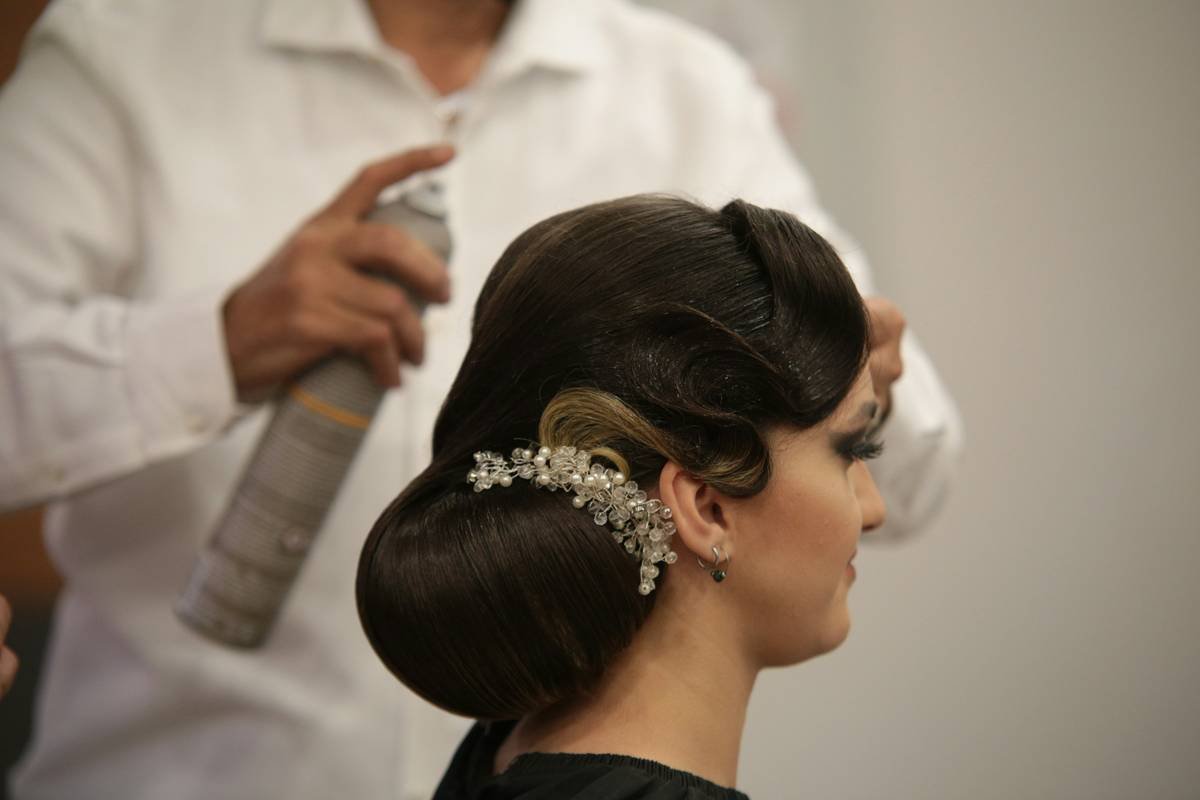
Yes—but secure it properly. Use U-pins (not bobby pins alone) at the occipital bone. For curly or dense hair, opt for combs with teeth ≥1.5cm. Always do a “movement test”: walk, kneel, turn—does it stay put or fly off like a startled dove?
7 Best Practices Most Stylists Won’t Tell You
- Steer clear of plastic combs. They snap under tension and leave static. Metal or acetate combs last longer.
- Steam, don’t iron. Direct heat melts synthetic fibers. Hover a garment steamer 6 inches away.
- Match lace edge color to your foundation—not your dress. Ivory lace against pale skin reads yellow; pure white can look clinical.
- Apply hairspray *before* placing the veil. Aerosol + tulle = sticky disaster.
- Store flat in acid-free tissue paper. Hanging causes stretching.
- Borrow or rent for one-time events. Why spend $300 on something worn for 20 minutes?
- Ask about symbolic elements. In Filipino Catholic weddings, some veils include embroidered doves or crosses—confirm appropriateness first.
⚠️ Terrible Tip Disclaimer
“Just use a kitchen sieve as a DIY veil frame.” Nope. Not even ironically. Your abuela will side-eye you into next Tuesday.
Rant Corner: My Niche Pet Peeve
When influencers call every sheer headpiece a “bridal veil” regardless of context. A sheer hair scarf at Coachella ≠ a ceremonial hair veil used in sacramental rites. Precision matters. Respect the tradition—or don’t touch it.
Real-Life Ceremonial Veil Wins (and One Epic Fail)
Case Study #1: Sofia’s Catholic Confirmation
Sofia (13, Chicago) needed a white veil that stayed put during kneeling prayers. We chose a 22” silk tulle veil with satin-edged comb from Nicole Miller’s liturgical collection. Result? Zero adjustments needed—her mom cried happy tears.
Case Study #2: Aisha’s Eid Celebration
For her post-Ramadan family portrait, Aisha wore a champagne chiffon hair veil with subtle gold thread—paired with box braids. Sourced from Brooklyn-based artisan Layla Veils, it draped without pulling. Bonus: reusable for future celebrations.
Epic Fail: My Greek Christening Debacle
As mentioned earlier—polyester + holy water + nervous fidgeting = shredded dignity. Lesson learned: never substitute ceremonial integrity for cost savings.
Ceremonial Hair Veil FAQs—Answered Honestly
Can I wear a ceremonial hair veil if I’m not religious?
Yes—but research the custom first. Wearing a Jewish tichel as a fashion statement without context can offend. When in doubt, consult community elders or choose secular-inspired alternatives labeled “ceremonial-style.”
How do I clean a vintage ceremonial veil?
Never machine wash. Spot-clean with distilled water + pH-neutral soap (like Eucalan). Lay flat to dry on a mesh rack away from sunlight.
Are ceremonial hair veils only for women?
No. In some Eastern Orthodox traditions, men wear head coverings during liturgy—but these are typically skullcaps (kamilavkion), not veils. Gender roles vary by faith—always verify.
Where can I buy ethical, handmade veils?
Top vetted sources:
- Sacred Veil Co. (USA, fair-wage studio, organic silk)
- Layla Veils (woman-owned, inclusive sizing)
- Traditional Attire Project (nonprofit supporting global artisans)
Conclusion
Your ceremonial hair veil is more than décor—it’s devotion stitched in thread. Whether you’re stepping into a chapel, synagogue, or ancestral rite, choosing the right veil honors both your personal journey and centuries of tradition. Don’t settle for flimsy fast-fashion replicas. Invest in fit, fabric, and intention. Pin it with purpose. And for heaven’s sake, test it before the big moment.
Like a Tamagotchi, your veil needs attention—but reward you with timeless grace.
Haiku:
White silk whispers low,
Blessing each step down the aisle—
Grace pinned in the now.