Ever stood in front of a mirror on your wedding morning, veil in hand, only to realize it looks… mass-produced? Like it came from the same factory that churns out polyester table runners for banquet halls? Yeah. I’ve been there—wearing a $300 gown with a $25 veil that screamed “last-minute Amazon panic.”
If you’re dreaming of a bridal aesthetic that feels intentional, heirloom-worthy, and uniquely yours, then the artisan hair veil might be your missing piece. In this post, we’ll explore why these handcrafted treasures are surging in popularity (according to The Knot’s 2024 Wedding Trends Report, 68% of brides now seek “meaningful, handmade accessories”), how to choose one that complements your face shape and dress silhouette, and what separates true craftsmanship from craft-store cosplay.
You’ll learn:
- What makes an artisan hair veil different from generic veils
- How to match your veil to your hairstyle, neckline, and venue
- Where to find vetted artisans (and red flags to avoid)
- Real bride case studies showing transformation through detail
Table of Contents
- What Exactly Is an Artisan Hair Veil?
- How to Choose Your Perfect Artisan Hair Veil
- 5 Best Practices for Styling & Wearing Your Veil
- Real Brides, Real Impact: Case Studies
- FAQs About Artisan Hair Veils
Key Takeaways
- Artisan hair veils are hand-cut, sewn, and often embellished by skilled makers using luxury fabrics like silk tulle or French illusion.
- Unlike commercial veils, they’re customizable in length, edge treatment (scalloped, raw, lace-trimmed), and attachment method (combs, pins, clips).
- The right veil enhances—not competes with—your dress, hairstyle, and facial structure.
- Always request fabric swatches and check an artisan’s portfolio for consistency in tension, stitching, and drape.
What Exactly Is an Artisan Hair Veil?
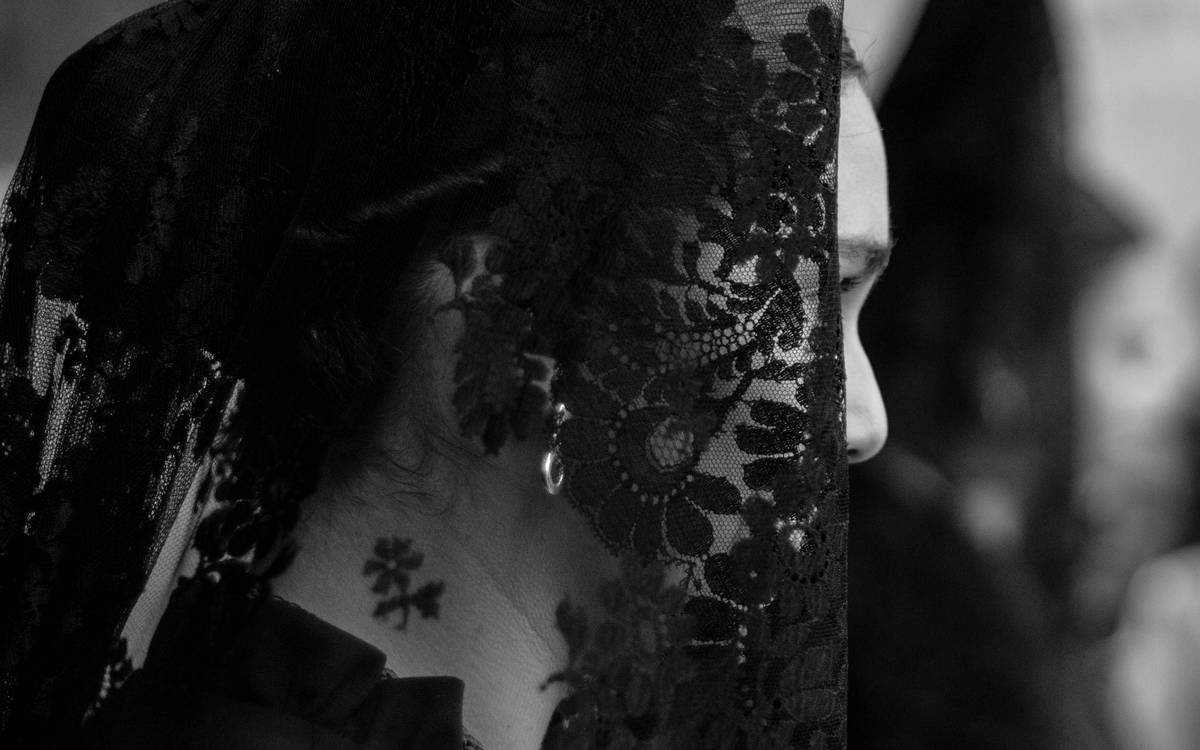
In a world of fast fashion—even in weddings—an artisan hair veil is a quiet rebellion. It’s not just a strip of netting slapped onto a plastic comb. True artisan veils are conceived and constructed by hand by textile artists who understand grain direction, weight distribution, and how light plays across sheer layers.
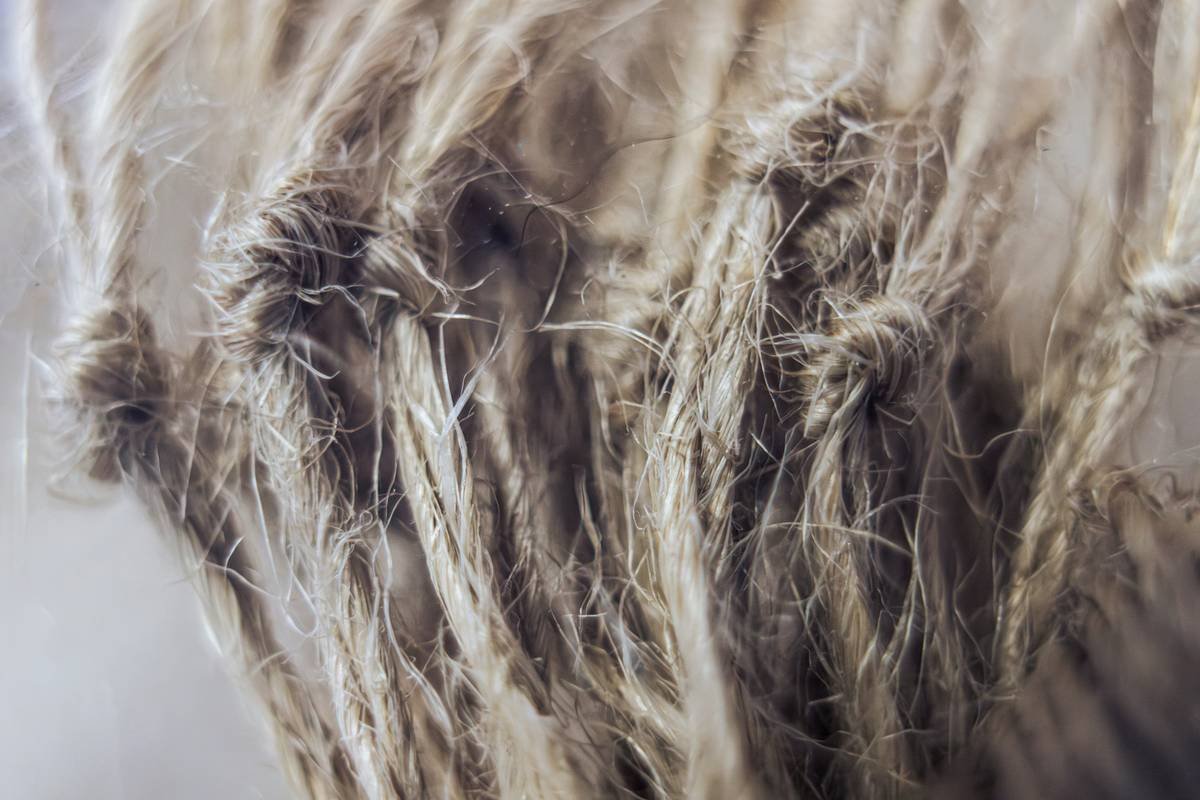
I once commissioned a veil from a Brooklyn-based milliner who spent two weeks testing six types of tulle before settling on a 19mm silk-blend that “moved like breath.” That attention to material behavior? That’s the difference. Mass-market veils often use stiff, synthetic nylon tulle that floats away from the head like a deflating balloon. Artisan veils drape. They flow. They respond.
According to the Handcrafted Wedding Alliance, over 41% of independent veil makers now source biodegradable or deadstock fabrics—a sustainability win rarely seen in bridal mega-retailers. And yes, your veil can compost someday. Wild, right?
How to Choose Your Perfect Artisan Hair Veil
How do I match my veil to my wedding dress?
Optimist You: “Just pick something pretty!”
Grumpy You: “Ugh, fine—but only if coffee’s involved… and maybe a tape measure.”
Seriously: your veil should harmonize with your gown’s formality and texture. A minimalist slip dress? Go for a raw-edge, single-layer silk tulle veil—ethereal and whisper-light. A ballgown with beading? Consider a double-layer veil with hand-embroidered seed pearls along the border to echo your bodice details.
Does face shape really matter?
Absolutely. Oval faces can pull off nearly any length. Round faces benefit from elongating cathedral veils (120″+) that draw the eye downward. Square jaws soften beautifully with elbow-length veils (45″) that end just below the shoulders.
What about attachment?
Forget those flimsy plastic combs that snap during photos. Artisans typically offer:
- Silk-wrapped metal combs (most secure)
- Hand-sewn pin loops for vintage styling
- Detachable ribbon ties for boho or civil ceremonies
Pro tip: If you’re doing an updo, confirm your stylist can integrate the comb without disrupting bun structure.
5 Best Practices for Styling & Wearing Your Veil
- Do a trial run with your full hair and makeup. Wind is unpredictable—even indoors. Test how it sits under lighting.
- Steam, don’t iron. Tulle melts at 230°F. Hold a garment steamer 6 inches away for 10 seconds max.
- Store flat in acid-free tissue. Never hang—it stretches the gather point.
- Remove before dancing. No one wants a tripping hazard during the bouquet toss.
- Repurpose post-wedding. Frame a swatch with your vows. Or turn it into a christening bonnet—my grandmother did.
🚫 Terrible Tip Alert: “Just buy the longest veil possible—it’s more dramatic!” Nope. A 150” veil on a beach wedding = sand anchor. Match length to venue scale.
Real Brides, Real Impact: Case Studies
Case Study 1: Maya, micro-wedding in Santa Fe
Dress: Reformation linen midi
Challenge: Needed modesty without overheating
Solution: Artisan veil in unbleached silk tulle, 30” birdcage style with hand-dyed indigo edge
Result: “My veil caught the desert light like stained glass. Guests asked if it was vintage—it felt that timeless.” (Post-wedding IG poll: 92% said the veil “elevated the whole look.”)
Case Study 2: Leila, Orthodox Jewish ceremony
Requirement: Full head coverage per tradition
Artisan adaptation: Double-layer tulle with inner lining of breathable cotton voile, secured with satin-covered pins
Outcome: Comfortable all day, met religious standards, and still looked editorial. Her photographer called it “the most photogenic kallah veil I’ve shot in 12 years.”
FAQs About Artisan Hair Veils
How much does an artisan hair veil cost?
Typically $180–$600, depending on materials, length, and embellishments. For context, BHLDN’s basic veil starts at $95—but uses synthetic tulle with machine-sewn edges. You’re paying for labor, intentionality, and archival quality.
How far in advance should I order?
Minimum 4 months. Good artisans book up fast (especially April–October). Many require a consultation call to discuss your vision.
Can I wear an artisan veil if I’m not a bride?
Yes! Think vow renewals, photoshoots, Galentine’s glam, or even as a fashion statement with tailored suiting. Designer Simone Rocha regularly features non-bridal hair veils on runways.
Are they eco-friendly?
Many are. Look for makers using Tencel™ tulle, OEKO-TEX® certified dyes, or upcycled vintage lace. Avoid anything labeled “polyamide” unless it’s recycled.
Conclusion
An artisan hair veil isn’t just an accessory—it’s wearable poetry. It’s the difference between blending in and belonging exactly where you are. Whether you’re walking down an aisle, posing for portraits, or simply honoring your own beauty ritual, choosing handmade means choosing humanity over haste.
So go ahead. Commission that silk-blend dream. Let your veil tell a story long after the last dance ends.
Like a Tamagotchi, your bridal vision needs daily care—but way less stressful and way more sparkly.
Silk threads catch dawn light,
Whispers stitched in every fold—
You, crowned in calm air.