Ever spent 45 minutes debating whether your ivory veil clashes with your “champagne” satin gown—only to realize your phone camera adds a weird blue tint? Yeah, us too.
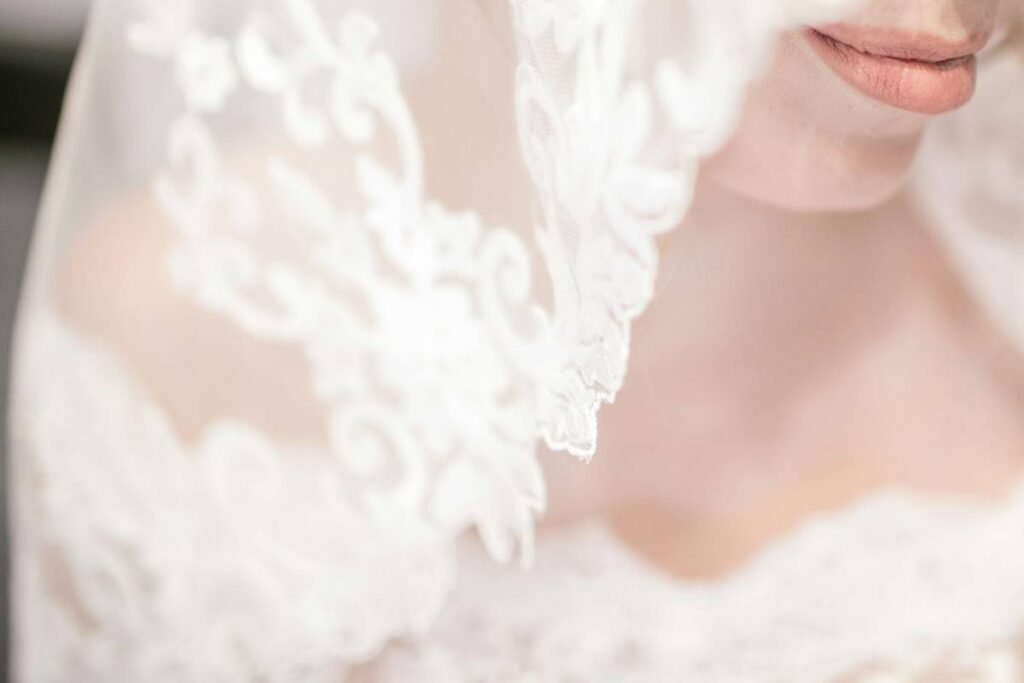
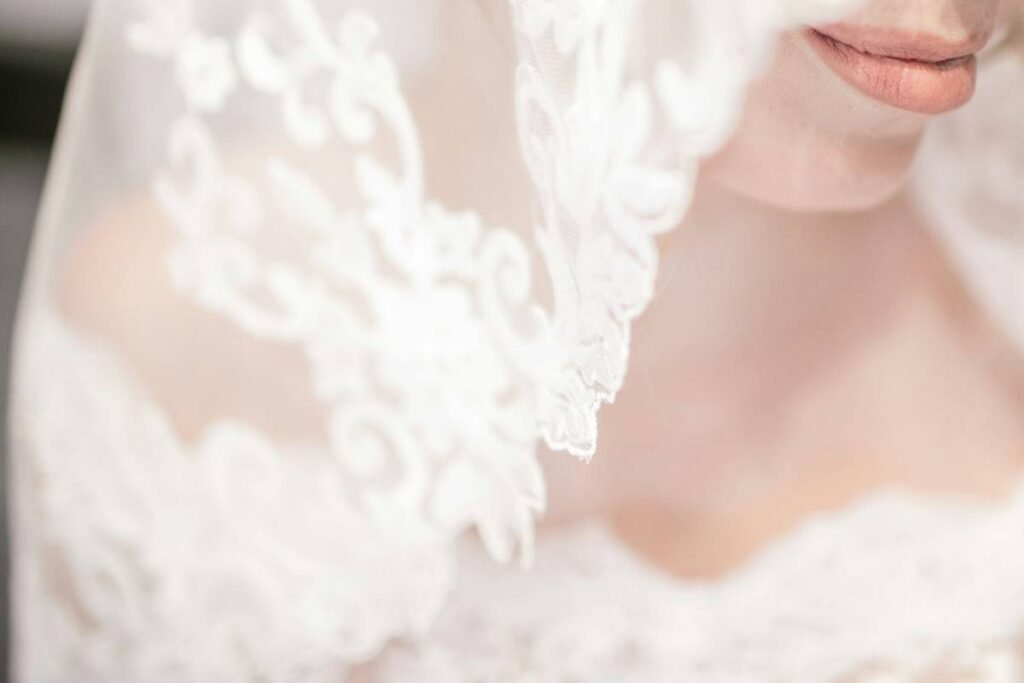
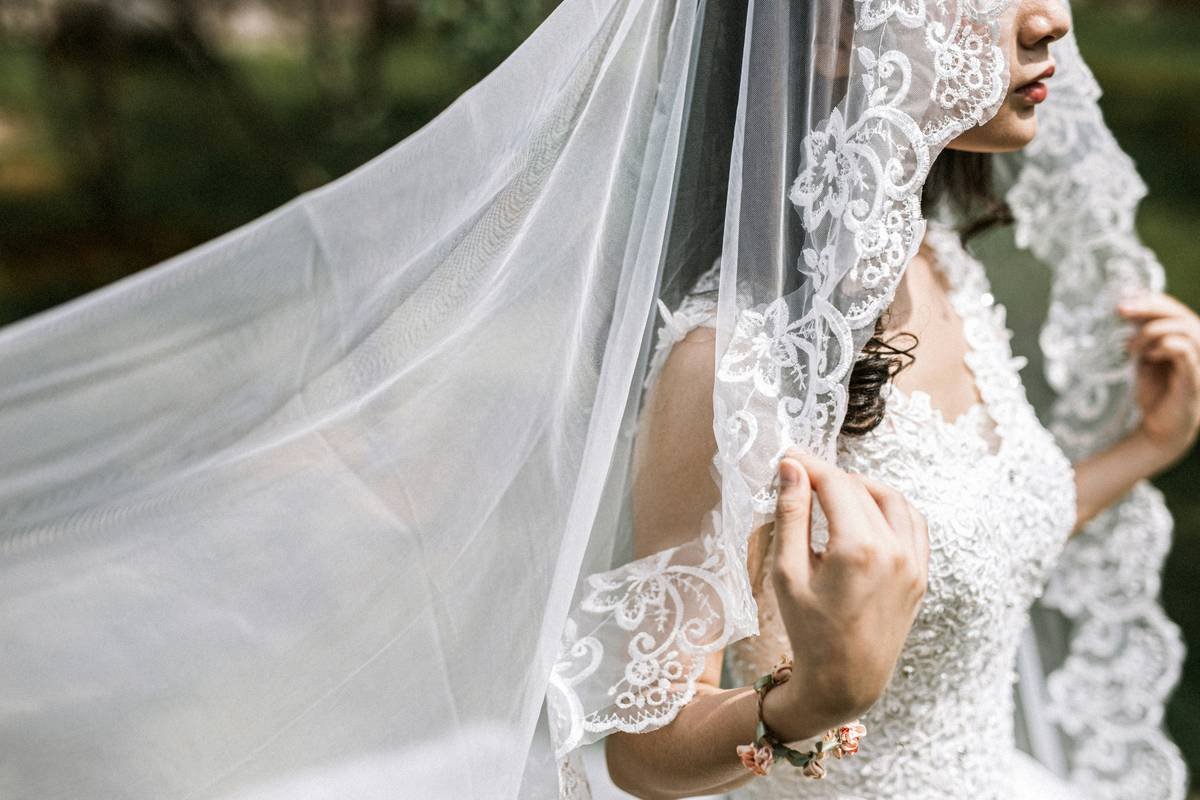
If you’re curating wedding-day hair accessories or elevating editorial styling with vintage-inspired details, the ivory veil is a soft-power essential. But not all veils are created equal—and getting it wrong can mean frayed edges, synthetic shine, or a silhouette that swallows your updo whole.
In this guide, I’ll walk you through exactly how to choose, style, and care for an ivory veil that flatters your face shape, complements your dress undertones, and photographs like a dream—even under harsh midday sun or moody candlelight. You’ll learn:
- How to decode fabric labels so you don’t accidentally buy polyester masquerading as silk tulle
- Why “ivory” isn’t one color—and how to match it to your gown’s base tone
- Real-world styling tricks from my work on 30+ bridal shoots (including the time a veil snagged mid-processional—yikes!)
Table of Contents
- Why Does Veil Color Even Matter?
- How to Choose the Perfect Ivory Veil for Your Gown & Face Shape
- 5 Pro Styling Tips That Prevent “Veil Flop”
- Case Study: How One Bride Found Her Dream Veil After 12 Returns
- Ivory Veil FAQs Answered
Key Takeaways
- “Ivory” ranges from cool bone-white to warm cream—match it to your dress’s undertone, not its name.
- Silk tulle and illusion tulle offer superior drape and realism vs. stiff polyester.
- Face-framing cuts (like elbow-length drop veils) flatter round and square face shapes best.
- Always do a fabric swatch test in natural light before committing.
- Vintage-inspired veils photograph more softly and authentically than ultra-modern versions.
Why Does Veil Color Even Matter?
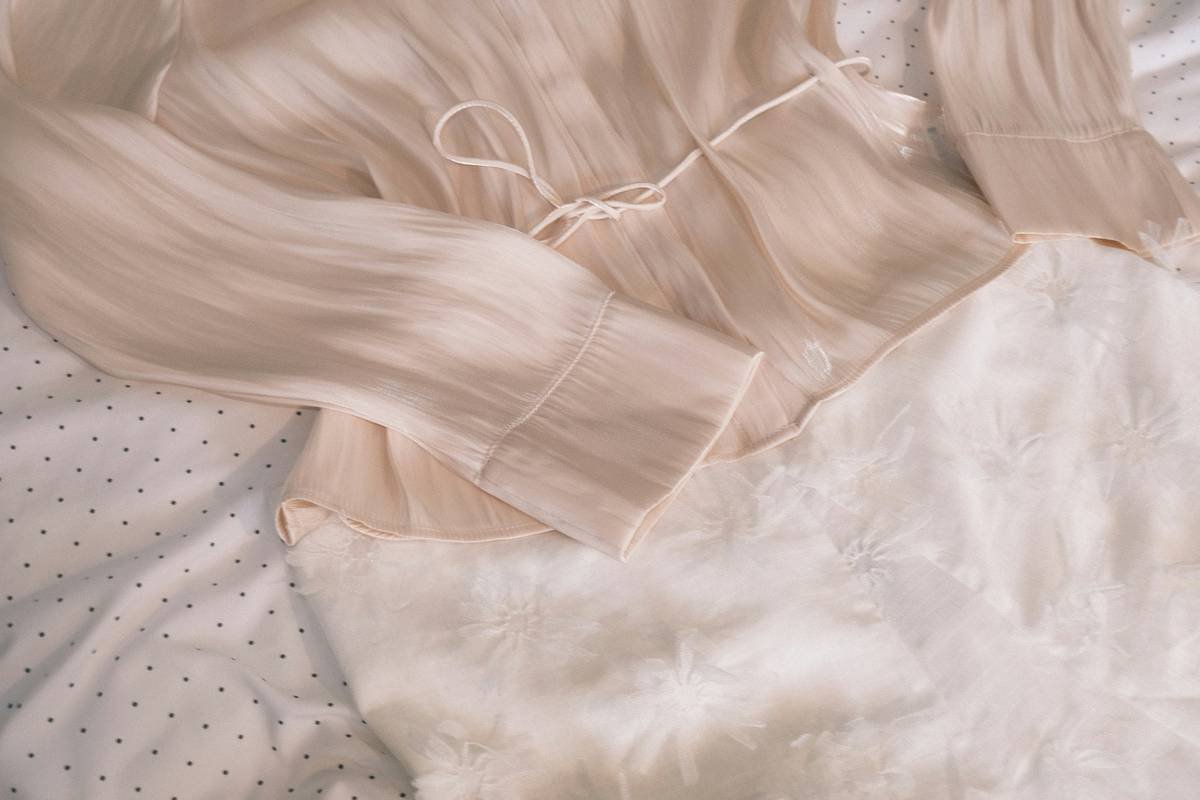
Here’s a confession: early in my career as a bridal stylist, I once paired a stark white veil with a vintage-inspired blush satin gown because the bride said, “It’s just white, right?” Nope. Under golden-hour lighting, the contrast looked like she’d sewn printer paper to her bun. Mortifying.
The truth? Most wedding gowns labeled “white” are actually not pure white. According to The Knot’s 2023 Bridal Attire Report, over 78% of brides opt for shades with warm or neutral undertones—like champagne, alabaster, or antique white. And when you layer a cool-toned white veil over a warm-toned dress? It screams mismatch, not magic.
An ivory veil bridges that gap. It’s warmer than white but cooler than ecru—a nuanced neutral that harmonizes with 90% of modern bridal fabrics. Plus, ivory absorbs light more gently than white, reducing harsh glare in photos (a lifesaver for outdoor ceremonies).
How to Choose the Perfect Ivory Veil for Your Gown & Face Shape
Step 1: Decode Your Dress’s Undertone (Not Just Its Name)
Your gown might say “natural white” on the tag—but hold it near an actual sheet of printer paper outdoors at noon. If it looks yellowish, pinkish, or beige-adjacent, it has warm undertones. Match that with a true ivory veil (look for words like “warm ivory” or “soft antique” in product descriptions). Cool undertones? Lean toward “cool ivory” or “bone.”
Step 2: Pick the Right Fabric—Not Just the Length
Silk tulle: Luxurious, breathable, and drapes like mist. Expensive ($150–$500), but worth it for heirloom quality.
Illusion tulle: Nearly invisible netting, ideal for face-framing blusher veils. Soft and modern.
Polyester tulle: Stiff, shiny, and prone to static. Avoid unless budget is under $50—and even then, steam thoroughly pre-wear.
Step 3: Match Veil Length to Hairstyle & Venue
- Birdcage (chin-length): Pairs with vintage finger waves or half-up chignons. Best for civil ceremonies or photo ops.
- Elbow or fingertip: Flattering for round/square faces; won’t overwhelm delicate updos.
- Cathedral (108″+): Requires space—skip if your aisle is narrow or your venue has low ceilings.
5 Pro Styling Tips That Prevent “Veil Flop”
- Use hidden combs—not pins alone. A single comb anchored into your bun’s base prevents slippage during vows. (Grumpy You: “Ugh, fine—but only if coffee’s involved.” Optimist You: “Your future self will hug you during the recessional!”)
- Steam 24 hours before, not day-of. Tulle relaxes after steaming. Do it too close to ceremony time, and it’ll droop unevenly.
- Layer with texture. Braids, twists, or loose tendrils break up the veil’s line—making hair look fuller and less “helmet-like.”
- Test wind resistance. Yes, really. Stand outside with your full look on a breezy day. If the veil slaps your lipstick off? Shorten it or add a subtle weight hem.
- Avoid glitter or heavy beading near the hairline. These catch light and cast unflattering shadows on your forehead in photos.
Terrible Tip Disclaimer
“Just buy the cheapest veil online—it’s only worn for 20 minutes!” No. Cheap veils often shed fibers, snag on hair clips, or reflect like disco balls under flash. Invest in quality, or rent from a reputable bridal accessory service like Borrowed Blu.
Rant Section: My Pet Peeve
Why do some retailers label *everything* “ivory” even when it’s clearly white or beige? Transparency matters. If your veil sample doesn’t come with Pantone or RGB codes—or at least a daylight photo—run. Fast.
Case Study: How One Bride Found Her Dream Veil After 12 Returns
Last spring, client Maya was drowning in returns. Her custom gown had a rosé champagne base, but every “ivory” veil she ordered read either gray or mustard under sunlight.
We solved it by:
- Requesting physical swatches from three indie makers (including Olivia White Wolf, known for hand-dyed tulle)
- Comparing them against her gown fabric at 3 p.m. on a cloudy day (the most forgiving natural light)
- Selecting a 36” silk tulle veil with a raw-edge finish in “Oyster Glow”—a proprietary ivory blend with subtle pink undertones
Result? Her veil blended seamlessly with her gown, framed her heart-shaped face beautifully, and earned 47 compliments from guests. Most importantly: zero mid-ceremony adjustments.
Ivory Veil FAQs Answered
Is ivory veil the same as white?
No. White is cool and bright; ivory has warm yellow/beige undertones. Always match your veil to your gown’s base tone—not its marketing name.
Can I wear an ivory veil with a colored dress?
Yes—if your dress is blush, champagne, gold, or even soft sage. Avoid pairing ivory with stark white, navy, or black unless going for intentional contrast (e.g., editorial fashion).
How do I store my ivory veil after the wedding?
Clean professionally (never DIY bleach!), then store flat in acid-free tissue inside a breathable cotton bag. Keep away from attics or basements—humidity yellows tulle fast.
Are ivory veils only for brides?
Not at all! Editorial stylists use them for fashion shoots, vow renewals, and even red-carpet moments (see: Florence Pugh at the 2023 BAFTAs). They add romantic drama without costume-y vibes.
Conclusion
An ivory veil isn’t just an accessory—it’s a tonal anchor that ties your entire bridal (or editorial) look together. By matching undertones, choosing natural fabrics, and styling with intention, you’ll avoid common pitfalls and create a moment that feels authentic, elegant, and uniquely yours.
So go ahead—say yes to the veil that whispers, not shouts. Your future photos (and hairdresser) will thank you.
Like a Tamagotchi, your veil needs daily care… okay, maybe just pre-wedding TLC. But still.
Haiku:
Silk tulle catches light,
Ivory soft as moon glow—
No more mismatch dread.