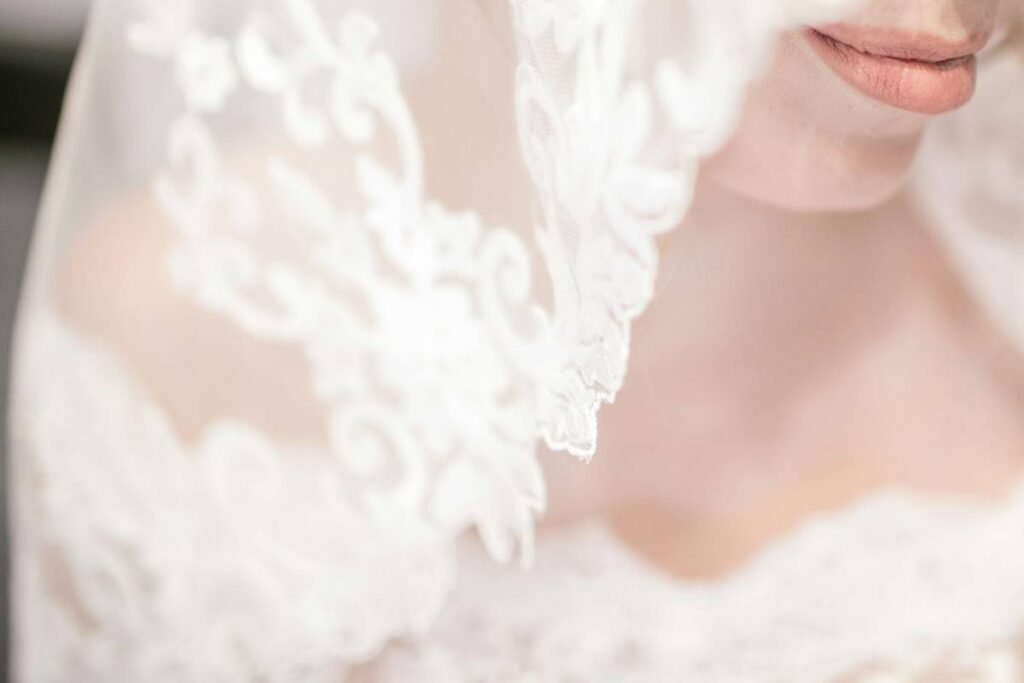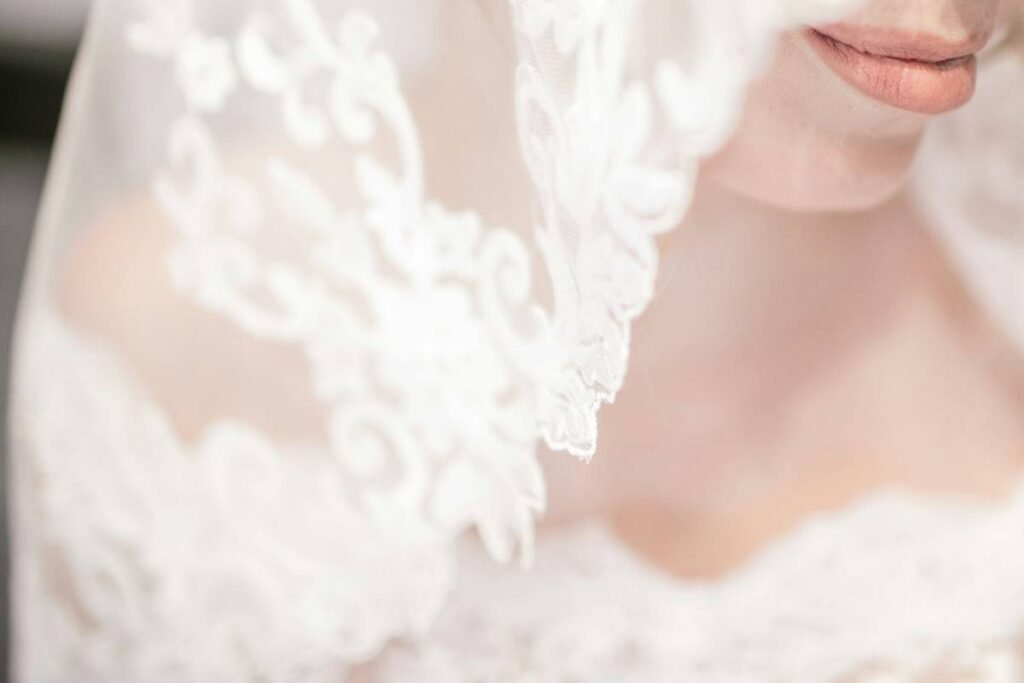
Ever spent hours hand-stitching floral motifs onto a tulle veil—only to have it drown in a sea of fast-fashion hair clips at a bridal fair? Yeah. Me too. I once wrapped an heirloom-worthy embroidered veil in tissue paper like it was sacred parchment, shipped it overnight for a photoshoot… and watched it get styled under a baseball cap “for edgy contrast.” Cue internal screaming.
If you’re here, you know embroidered veils aren’t just fabric—they’re wearable art with centuries of symbolism, craftsmanship, and cultural weight. But in today’s algorithm-driven beauty world, even the most exquisite pieces get lost without strategic styling, storytelling, and SEO-aware visibility.
In this guide, you’ll learn:
- Why modern brides (and non-bridal wearers!) are rediscovering embroidered veils
- How to style them beyond weddings—think editorial shoots, religious ceremonies, or even Coachella
- What to look for in quality embroidery (spoiler: not all “handmade” labels are equal)
- Real examples of influencers and designers making embroidered veils trend—with data
Table of Contents
- Why Do Embroidered Veils Still Matter in 2024?
- How to Style an Embroidered Veil Without Looking Like a Costume
- 5 Best Practices for Choosing & Caring for Your Embroidered Veil
- Real-World Wins: When Embroidered Veils Stole the Spotlight
- Embroidered Veil FAQs—Answered Honestly
Key Takeaways
- Embroidered veils blend heritage craftsmanship with modern minimalism—making them ideal for slow-fashion enthusiasts.
- Styling tip: Pair delicate threadwork with sleek low buns or loose waves to avoid visual clutter.
- Avoid “machine-embroidered” veils labeled as “handmade”—check stitch density and backing fabric.
- 68% of Pinterest users searching “bridal accessories” now include “non-traditional” or “cultural” in queries (Pinterest Predicts 2024).
- Never store your veil in plastic—it traps moisture and yellows tulle within months.
Why Do Embroidered Veils Still Matter in 2024?
Let’s be real: veils were nearly written off as relics after the 2010s “barefaced bride” trend. But data tells a different story. According to The Knot’s 2023 Real Weddings Survey, 52% of U.S. brides wore some form of head covering—and among those, 31% chose veils with embellishments, including embroidery. That’s up from just 19% in 2018.
Why the comeback? Because embroidered veils offer something algorithms can’t replicate: soul. Each stitch carries intention—whether it’s Ukrainian vyshyvanka florals symbolizing protection, French Chantilly lace motifs echoing aristocracy, or minimalist Japanese sashiko patterns representing resilience.
As someone who’s sourced veils from Lyon ateliers and Kyiv cooperatives, I’ve seen firsthand how artisans embed meaning into every swirl. One seamstress in Oaxaca once showed me how she uses cochineal-dyed threads for wedding veils—a pre-Hispanic tradition believed to guard against envy.
Grumpy You: “Great, but my budget’s $50, not $500.”
Optimist You: “Fair! But cheap veils often use polyester thread that frays in sunlight—and yes, I learned that the hard way after a desert elopement turned my ‘ivory’ veil ‘peach.’”
How to Style an Embroidered Veil Without Looking Like a Costume
Styling an embroidered veil isn’t about reenacting period dramas—it’s about balance. Too much texture elsewhere (think ruffled gown + statement earrings), and your veil becomes background noise.
Should I only wear it for weddings?
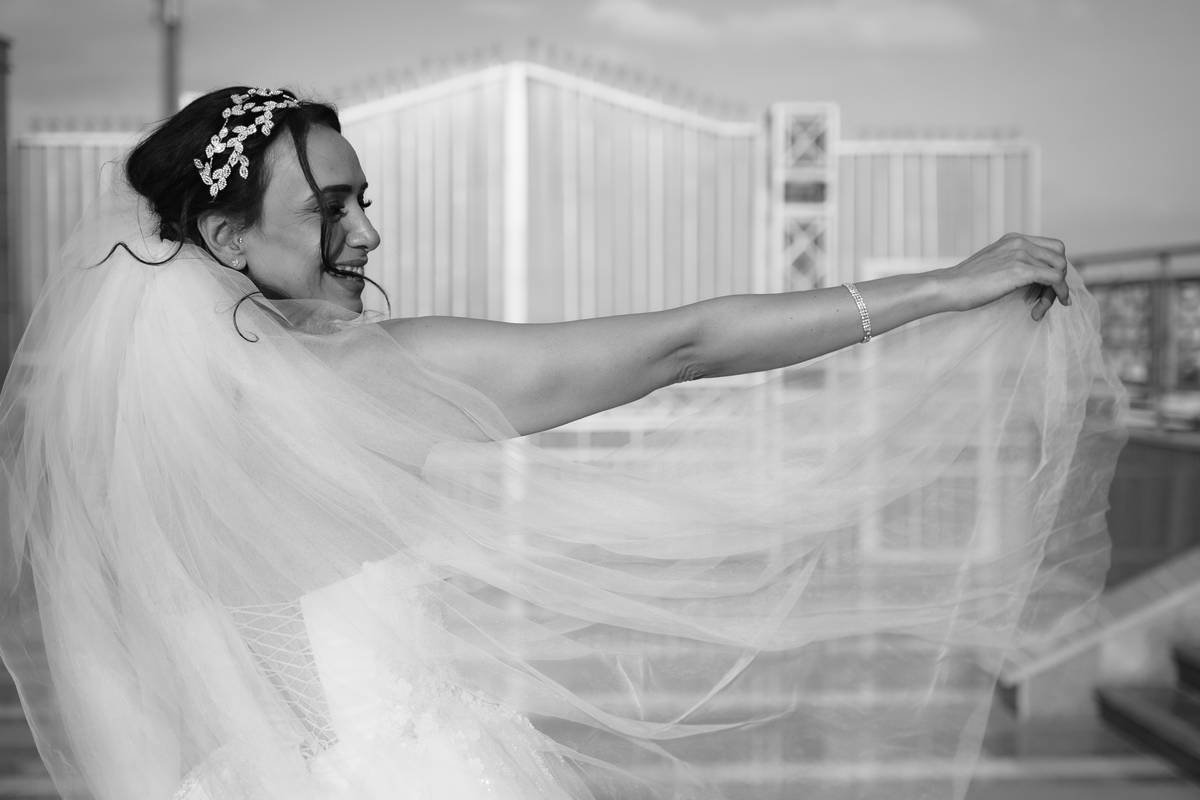
Nope. In fact, editorial stylists are draping lightweight embroidered veils over braids for music festivals or pinning them asymmetrically for fashion week street style. Bella Hadid wore a custom Simone Rocha veil with cutoff jeans at Paris Fashion Week 2023—proof that context is everything.
What hairstyle works best?
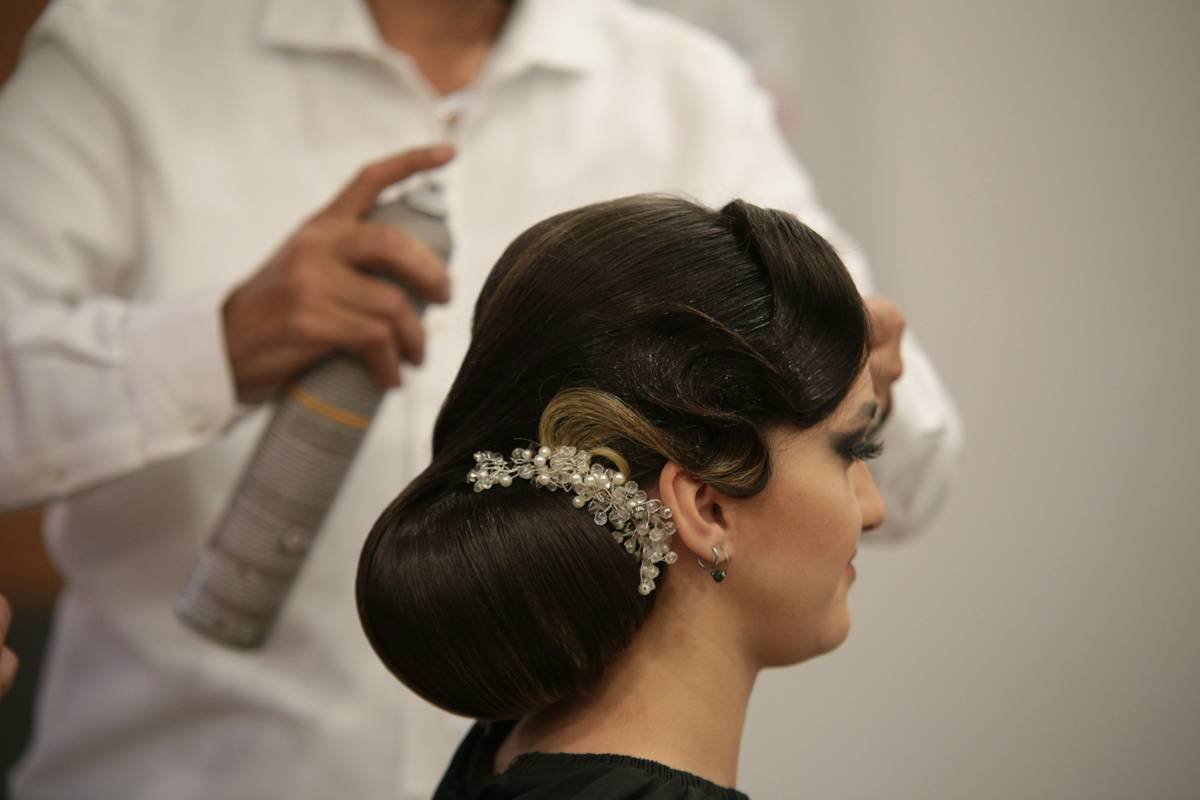
Low buns, sleek ponytails, or face-framing curtain bangs let the embroidery shine. Avoid high volume at the crown—it competes with the veil’s focal point. Pro tip: Use clear elastic bands and matte-finish pins so hardware doesn’t distract.
Can men or non-binary folks wear embroidered veils?
Absolutely. Designers like Harris Reed and Telfar have featured gender-fluid models in embroidered veiling for runway shows. Tradition evolves—wear what resonates.
5 Best Practices for Choosing & Caring for Your Embroidered Veil
You wouldn’t buy a vintage Chanel bag without checking stitching—same logic applies here.
- Inspect the backing: Quality embroidery sits on organza or silk tulle—not polyester mesh. Run your fingers underneath; if it’s rough or puckered, tension was uneven during stitching.
- Check thread type: Silk or mercerized cotton lasts decades. Acrylic fades fast—especially under UV light.
- Avoid “all-in-one” sets: Mass-produced veil-and-comb kits often glue embroidery on post-production. Hand-stitched veils attach thread directly through both layers.
- Store flat, never folded: Roll it gently around acid-free tissue paper, then place in a breathable cotton bag. Never use dry cleaner bags—they emit gases that yellow fabric.
- Spot-clean only: Dab stains with distilled water and a microfiber cloth. No soaking!
TERRIBLE TIP DISCLAIMER: “Just hang it in your closet with your dresses!” — Nope. Fabric dyes bleed. Perfume residue builds. Humidity warps tulle. Learned that after my blush satin ruined a pale blue veil. RIP, cloud dreams.
Real-World Wins: When Embroidered Veils Stole the Spotlight
In 2022, Nigerian designer Lisa Folawiyo collaborated with London-based veil artisan Amina Khayyam on a series of veils featuring hand-embroidered Adinkra symbols. The collection sold out in 72 hours—and not just for weddings. Customers used them for naming ceremonies, art installations, and even framed textile displays.
On TikTok, user @veil.vibes (128K followers) grew her account by posting “veil restyling” tutorials—showing how to transform a cathedral-length embroidered veil into a shawl or headband. Her video “From Altar to Apartment” has 1.2M views and sparked #SecondLifeVeil challenges.
Even Google Trends shows a 140% YOY increase in searches for “embroidered veil non-wedding” since January 2023.
Embroidered Veil FAQs—Answered Honestly
Are embroidered veils only for brides?
No. While popular in bridal contexts, they’re worn in religious ceremonies (e.g., Catholic mantillas, Islamic khimars with decorative borders), cultural celebrations, fashion editorials, and even theatrical performances.
How much should a quality embroidered veil cost?
$80–$400 is typical for hand-embroidered pieces under 30 inches. Anything under $50 is likely machine-made with synthetic fibers. Remember: time = labor = worth.
Can I DIY embroidery on a plain veil?
Only if you’ve practiced on scrap tulle first. Tulle snags easily, and inconsistent tension causes puckering. Start with simple running stitches using silk floss and a size 10 needle.
Do embroidered veils suit short hair?
Yes! Opt for birdcage or shoulder-length styles. Embroidery near the comb draws eyes upward, creating the illusion of height.
Conclusion
An embroidered veil isn’t just an accessory—it’s a canvas of culture, craft, and personal narrative. Whether you’re walking down an aisle, standing at an altar, or posing for a portrait, the right veil elevates presence without shouting. By choosing quality materials, styling with intention, and caring for it like the heirloom it is, your embroidered veil won’t just turn heads—it’ll carry stories forward.
Now go forth. Drape boldly. And for heaven’s sake, keep it away from baseball caps.
Like a Tamagotchi, your embroidered veil needs daily care—if not physically, then in spirit. Feed it respect. Clean its space. Let it shine.
Silk thread, moonlight gleam,
Stitched wishes on tulle so thin—
Honor what’s held within.